Put a cheap LED work lamp and a professional work lamp side by side and, at first glance, they may look similar: aluminium housing, clear lens, bright white light. But after a few months on a machine that works every night in dust, rain and vibration, the difference becomes obvious. The cheap lamp starts to flicker, turn yellow or fail completely, while the pro-grade lamp keeps working.
The reason is not "brand magic", but very concrete engineering choices inside the lamp.
Below we look at what actually changes from cheap to pro-grade in six key areas: LED chips and drivers, optics, thermal management, housing and sealing, EMC and compliance, and finally the total cost of ownership.
LED Chips and Drivers: The "Engine" of the Lamp
An LED work light is only as good as its light source and driver. In low-cost lamps, manufacturers often use generic LEDs without tight binning for colour or flux. That means the same model can vary in colour temperature from batch to batch, and lumen maintenance over time is unpredictable.
By contrast, branded automotive or industrial LEDs are binned and tested for luminous flux, forward voltage, colour coordinates and thermal behaviour. Their long-term lumen maintenance is usually characterised using standards such as LM-80 (measuring light output over 6,000+ hours at controlled temperatures) and TM-21 (projecting L70/L80 life from those measurements). This gives designers a realistic basis for setting drive current and expected lifetime.
The driver makes at least as much difference as the chip. Very cheap lamps may use nothing more than a resistor or simple linear regulator. When the vehicle voltage swings from, say, 11 V during cranking to 14.4 V while charging, the LED current swings too. That leads to visible brightness changes, extra heating and shorter lifetime.
Pro-grade work lights use constant-current switch-mode drivers designed for automotive electrical systems. They keep LED current nearly constant over a wide input range (typically around 9–32 V), include protections such as over-voltage, over-temperature and reverse polarity, and are laid out to minimise electromagnetic noise. The result is more stable light output, better efficiency and far less stress on the LEDs.
Optics: Reflectors and Lenses That Control Every Lumen
On many cheap lamps, optics are an afterthought. The LEDs sit behind a simple shiny cup and a flat clear lens. Parts of the beam are too bright, other areas are patchy or dark, and a lot of light goes above the useful area as glare. On paper the lamp may claim 3000 or 5000 lumens, but in front of the vehicle the ground is not much easier to see.
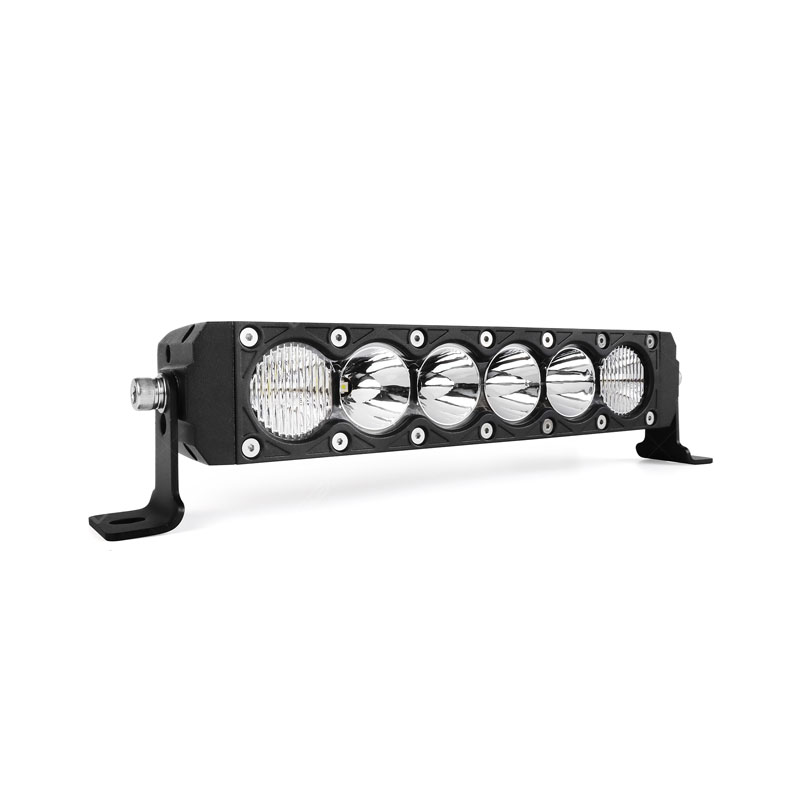
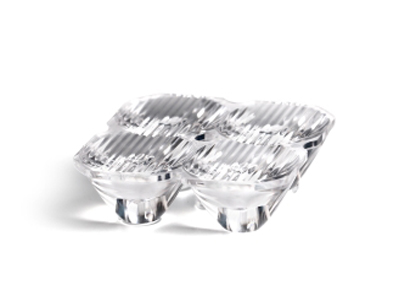
Professional work lights start from the required beam pattern and design the reflector and lens to match. Deep, narrow reflectors create tight spot beams for distance; wide, shallow reflectors and patterned lenses create smooth flood beams for work areas around the machine. Hybrid or "combo" optics control the centre and sides separately so that the operator gets both reach and peripheral visibility.
Because the light is directed where it is needed and cut off where it is not, effective illuminance on the ground can be much higher at the same lumen level. This is the difference between "bright to the eye" and "actually useful for work".
Thermal Management: Why Heat Kills Cheap Lights Fast
Every LED converts a significant part of its electrical power into heat. If that heat is not removed efficiently, the junction temperature rises, efficiency drops and ageing accelerates. Studies on power LEDs show that high junction temperatures dramatically reduce useful life compared with operation at moderate temperatures; achieving 70% lumen maintenance (L70) for tens of thousands of hours typically requires careful control of LED temperature.
Cheap lamps usually rely on thin aluminium plates or small decorative fins that look like a heatsink but do not offer much surface area or thermal mass. After a short period at full power, the housing becomes very hot, the driver—if it has any protection—starts to reduce current, and the light output falls. Long-term, solder joints, phosphor and encapsulant degrade faster.
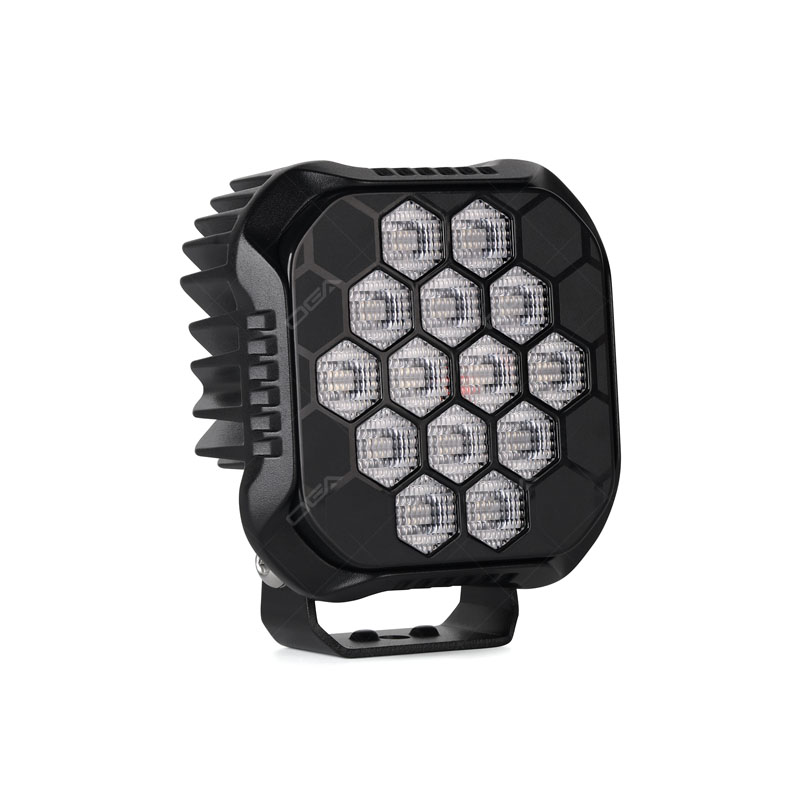
Pro-grade work lights treat the housing as a serious heatsink. The LED board is mounted to a thick aluminium body with suitable thermal interface material, and the outside is shaped with fins placed in the airstream so moving air can carry heat away. Good designs target a stable operating temperature over long duty cycles: even after an hour or more, light output remains close to its initial value, and the LEDs operate within the temperature range used to calculate their lifetime.
For machines that run many hours per day, this is the difference between a lamp that works for years and one that needs replacement every season.
Housing, Sealing, and Mechanical Durability
Work lights on construction equipment, agricultural machines or off-road vehicles face constant vibration, shock, water spray, mud and UV exposure. Cheap housings often use low-grade aluminium castings with minimal ribbing and thin mounting ears. Sealing may rely on a single bead of silicone, and lenses may be made from basic plastics that yellow or crack under sunlight.
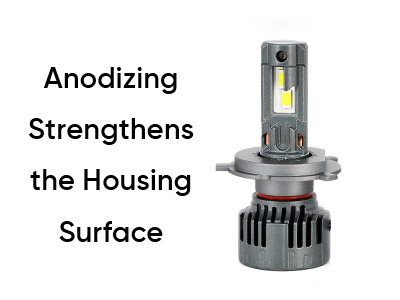
Pro-grade housings use stronger aluminium alloys, with clearly defined ribs and thick sections around mounting points to resist fatigue. The joint between housing and lens is designed with a gasket groove and a dedicated seal, held by screws tightened to a controlled torque. Lenses are typically made from UV-stable polycarbonate or toughened glass, often with hard-coating to resist scratching.
When such a lamp carries an IP67 or IP68 rating, it has been tested according to IEC 60529: dust-tight protection (6) and immersion at 1 m for 30 minutes for IP67, and deeper or longer immersion as defined by the manufacturer for IP68. Some manufacturers also perform additional water-jet or high-pressure tests, but these are separate ratings (such as IPx5, IPx6 or IPx9) rather than part of IP67 itself.
EMC, Certification, and Compliance
Modern vehicles use networked ECUs, radio, GPS and telematics. Poorly designed LED drivers can inject high-frequency noise into the wiring harness, causing radio interference, unstable displays or even diagnostic trouble codes. Cheap lamps rarely go through formal EMC testing, so there is no guarantee that a design which appears to work on one vehicle will behave on another.
Pro-grade work lights for regulated markets are typically designed and tested to standards such as UNECE Regulation No. 10 (ECE R10) for electromagnetic compatibility. R10 specifies emission limits and immunity requirements for vehicles and electronic sub-assemblies, including lighting. Many high-quality work lamps also hold additional approvals such as E-mark for certain lighting functions or SAE/DOT for the North American market.
These marks indicate that the lamp has been tested in controlled conditions and that its behaviour has been documented under a type-approval process, which reduces the risk of interference and regulatory problems in the field.
Total Cost of Ownership for Fleets and Professional Users
From a pure unit price perspective, a cheap work lamp at one-third the price of a professional model looks attractive. But fleets, rental companies and serious end users care about availability and maintenance cost over the life of the machine. When a lamp fails, there is the cost of the replacement part, the technician’s time, the travel to the site and the lost operating time of the machine. If failures happen repeatedly, the indirect cost easily exceeds any initial saving.
Because pro-grade work lights last longer, maintain their output better and are less likely to interfere with vehicle electronics, they reduce this hidden cost. In many cases, paying more once for a robust, compliant lamp is cheaper than paying less several times for products that fail early.
In short, moving from cheap lamps to pro-grade work lights is not about chasing luxury features; it is about using better LEDs and drivers, smarter optics, serious thermal design, stronger housings and verified EMC performance to protect uptime and safety.
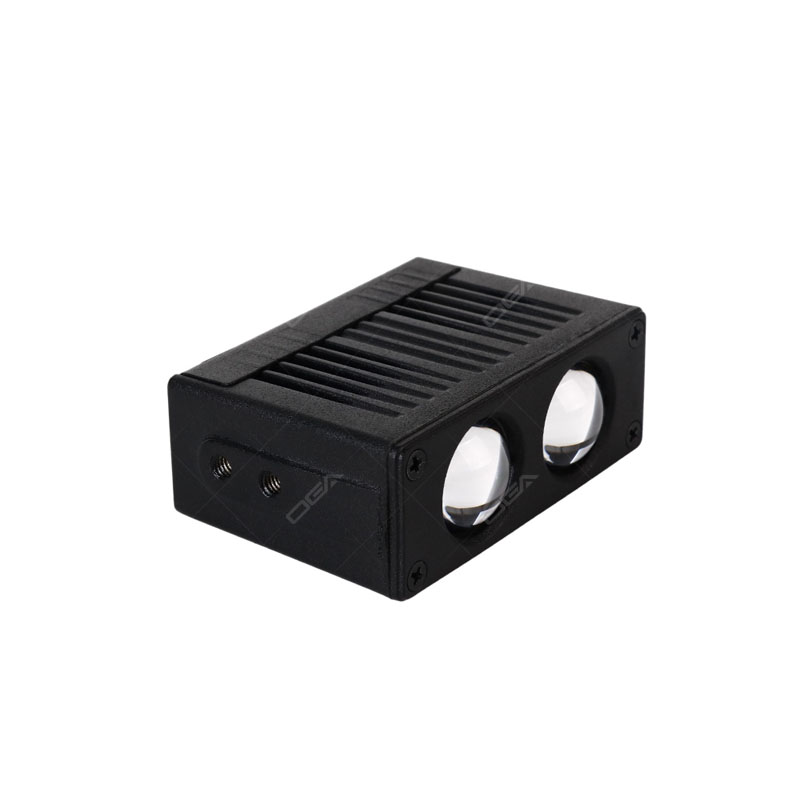
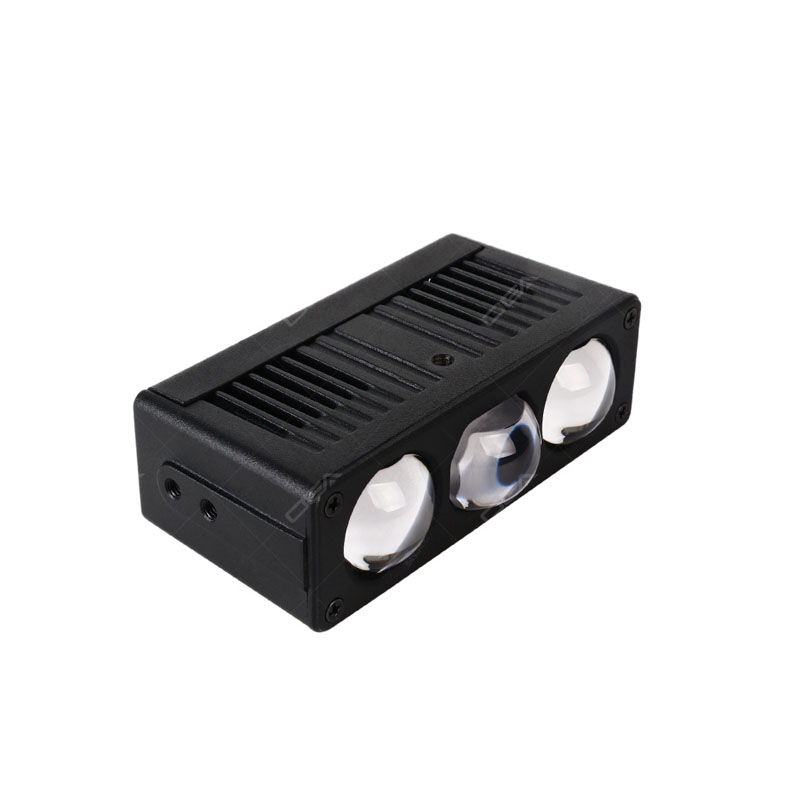
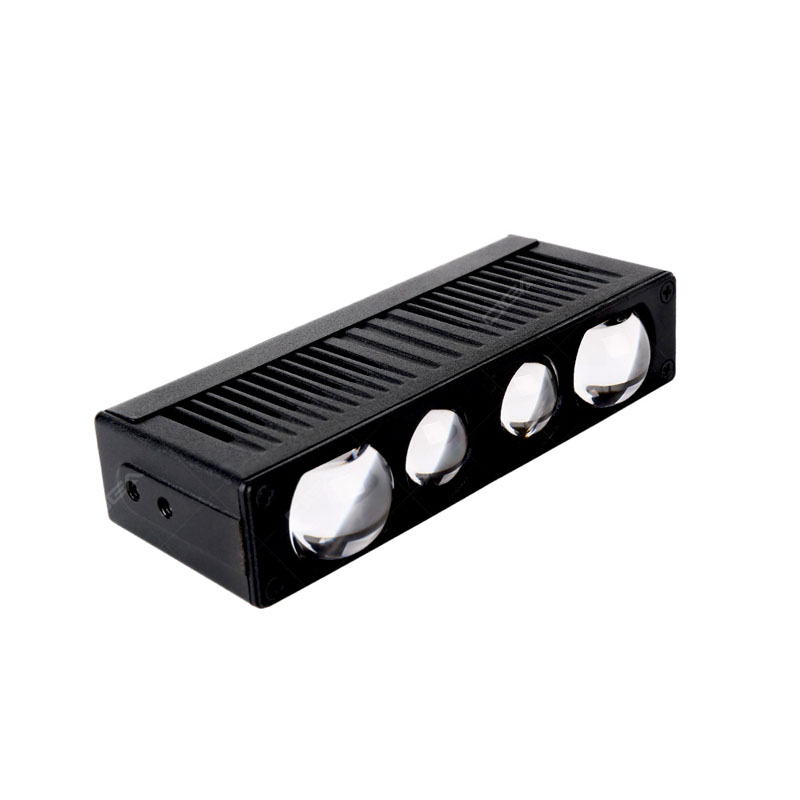
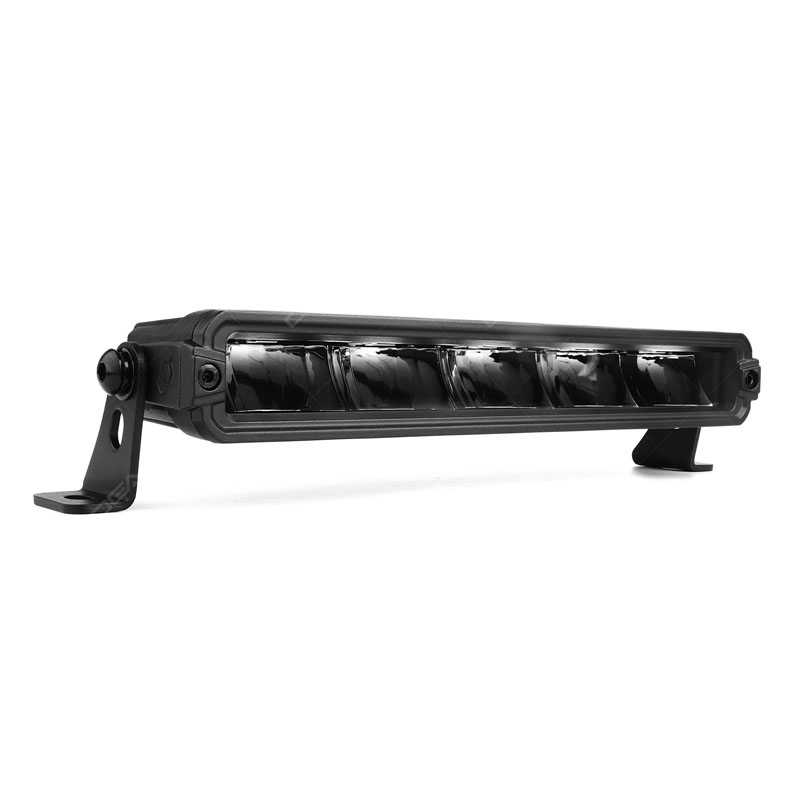
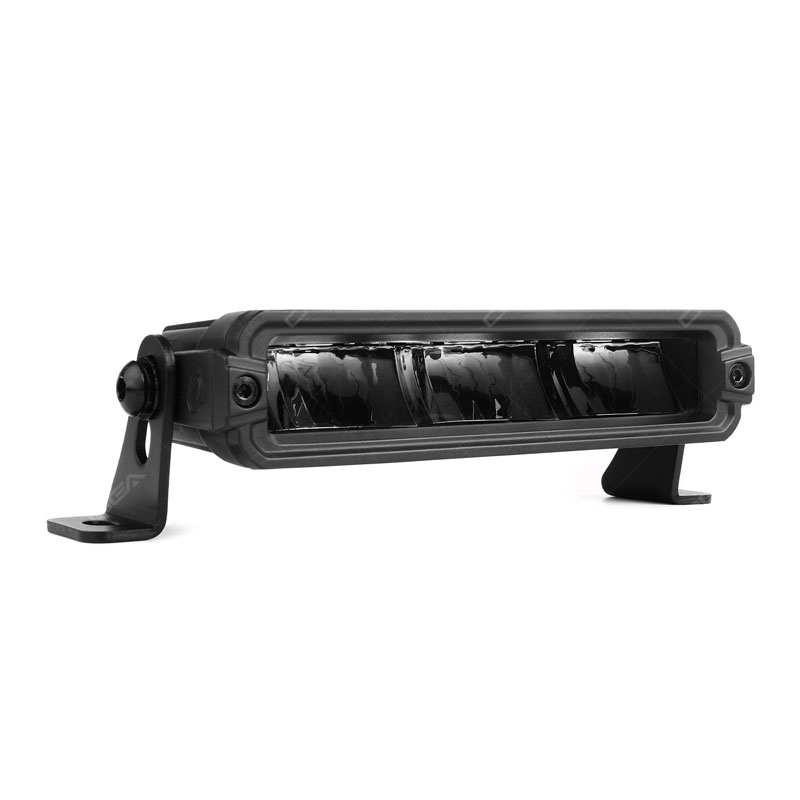
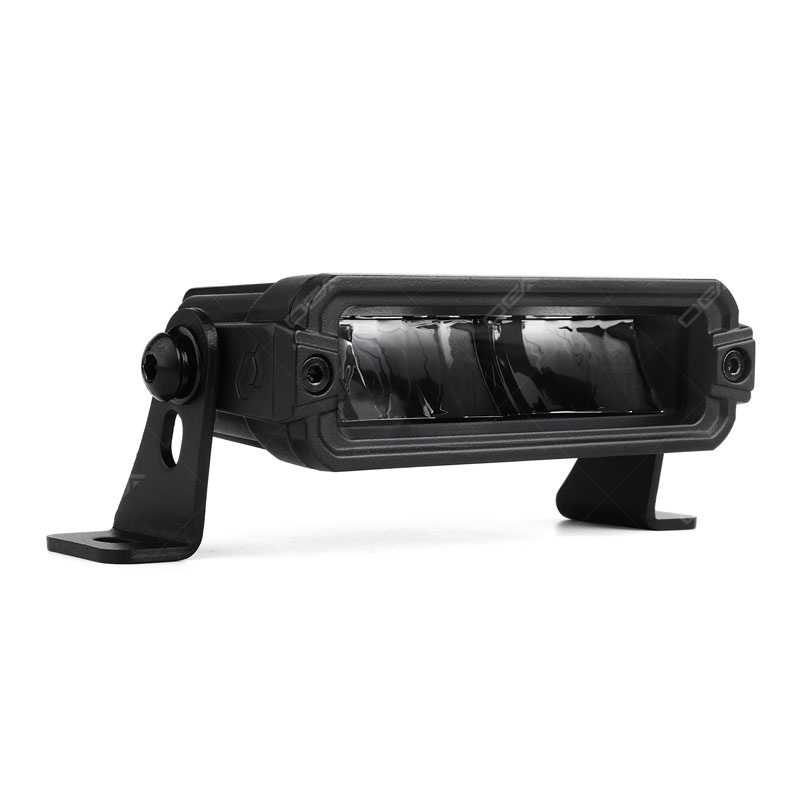
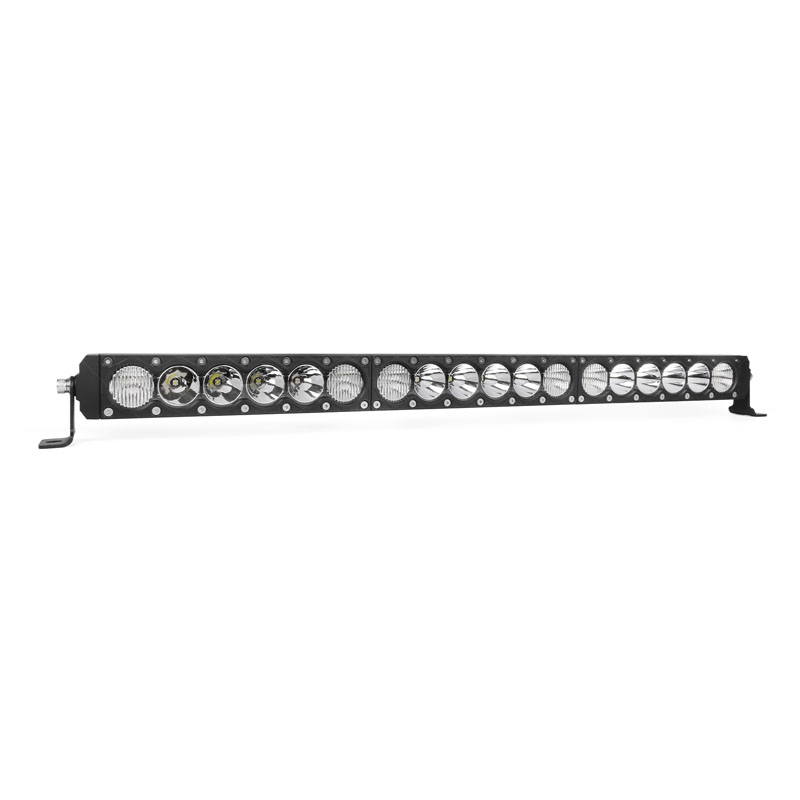
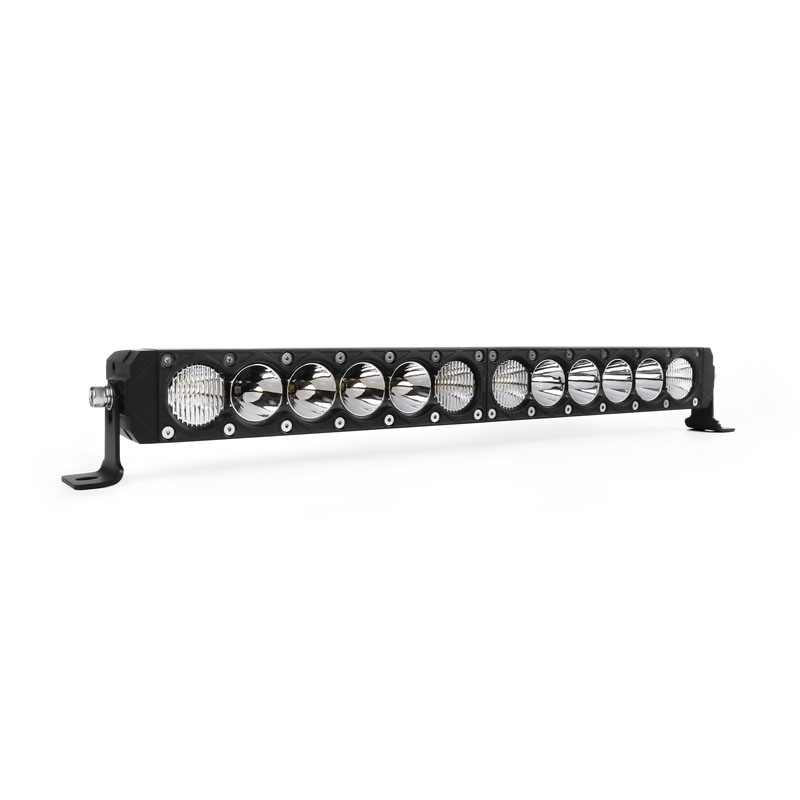
If you are looking for such long-term solutions, you can consider ranges from CN360LED and OGA, including compact W-series work lamps and heavy-duty driving lights. More information and detailed specifications are available at cn360led.com and ogaled.com.








 2026-06-12



 info@ogaled.com
  0086 135-6015-6476
  Room 505, 5th Floor, Jiangyun Building, No. 5 Heguang 2nd Cross Road, Tianhe District, Guangzhou