What is PC? And Why is it the Choice?
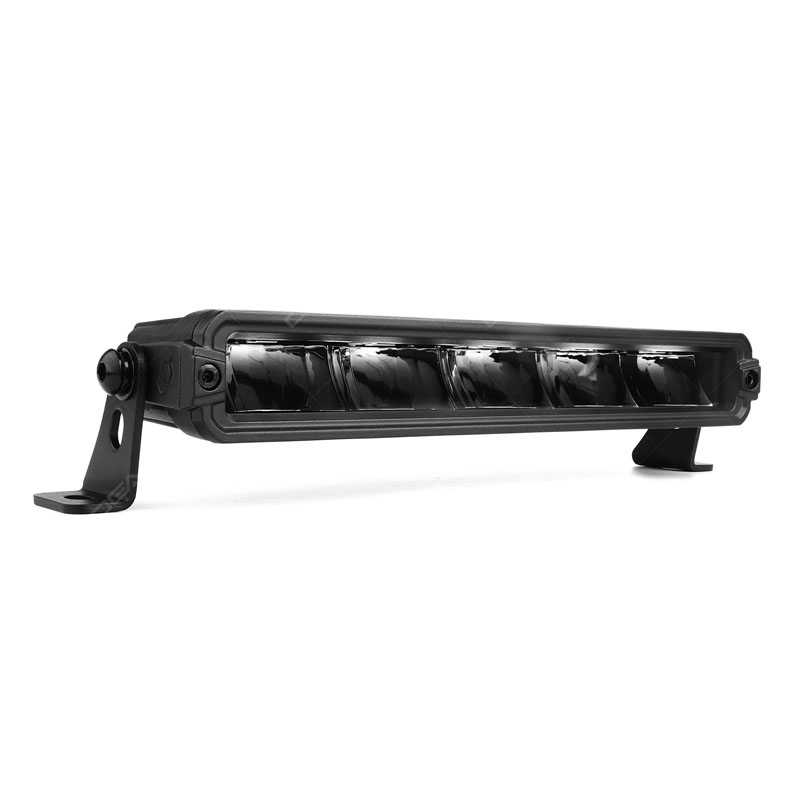
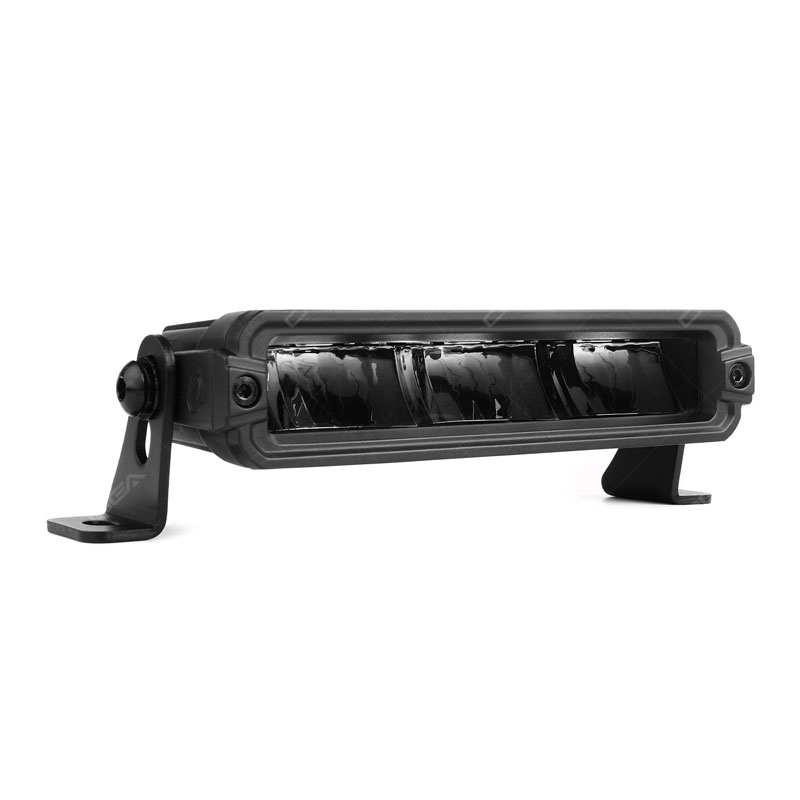
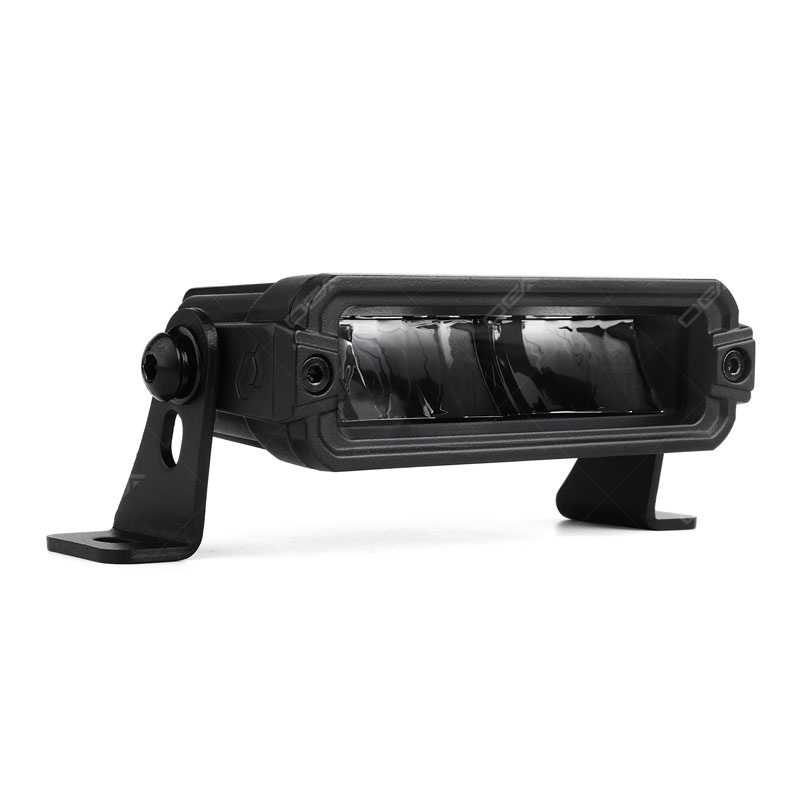
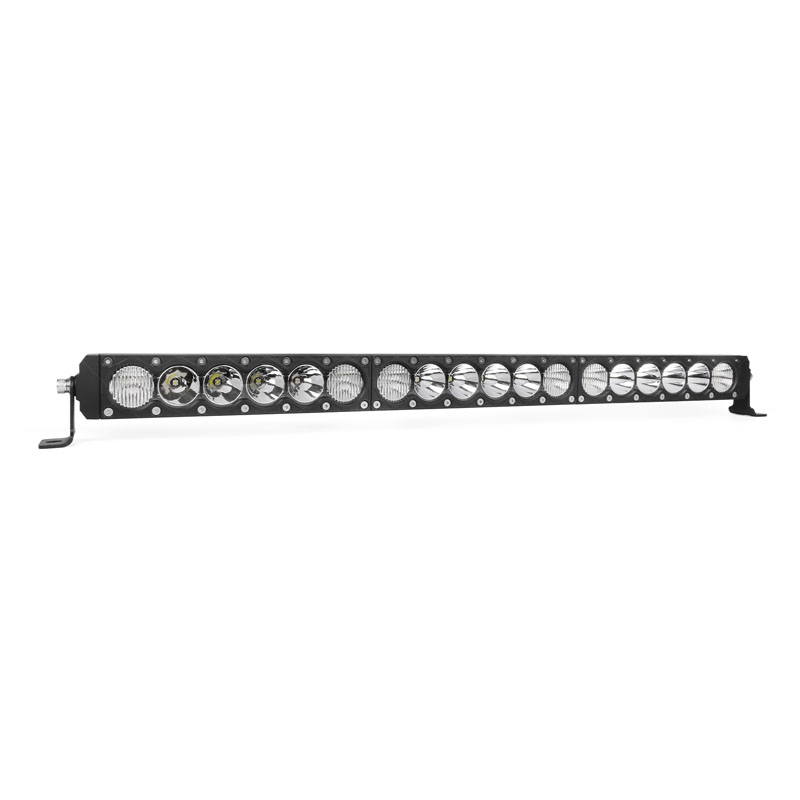
Polycarbonate (PC) is far from an ordinary plastic. It is a thermoplastic engineering plastic known for its high strength, high transparency, and excellent heat resistance. In the automotive lighting sector, especially for LED light bars operating in harsh environments, PC has become the dominant, almost default, choice for lens covers. This is due to its three core, intertwined advantages:
- Unmatched Impact Resistance: Its impact strength is tens of times greater than traditional glass and 8-10 times that of another transparent material, PMMA (acrylic). This ensures the light bar can resist shattering when faced with flying debris, accidental impacts, or extreme vibration, safeguarding both driving safety and the long-term reliability of the light itself.
- Excellent Temperature and Weather Resistance: PC's glass transition temperature is as high as approximately 147°C, with a continuous service temperature exceeding 120°C. This allows it to withstand high temperatures near the engine bay, intense summer sun, and frigid temperatures tens of degrees below zero without cracking or deforming. It also possesses inherent, strong resistance to UV radiation, rain, and oils.
- Good Optical Properties and Design Freedom: Optical-grade PC offers a light transmittance of 88%-91%, providing an efficient optical pathway for LED light sources. More importantly, as a thermoplastic, PC can be molded into various complex curves and three-dimensional shapes via injection molding, perfectly meeting the aerodynamic and aesthetic design demands of modern vehicles.
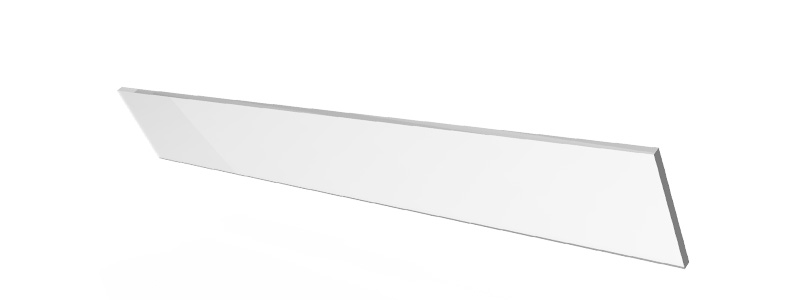
The Key Processing of PC Lenses
However, raw PC pellets do not directly become reliable lens covers. To qualify for the "automotive-grade" mission, PC lenses must undergo several crucial enhancement processes:
- UV Stabilization: This is the "vaccine" against aging. UV absorbers and stabilizers are uniformly blended into the PC base material during production. They effectively absorb and dissipate the harmful energy from the sun's ultraviolet rays, fundamentally preventing the lens from yellowing and hazing after long-term outdoor use, thereby maintaining light transmission and appearance for years.
- Surface Hard Coating: This is the "armor" that compensates for a weakness. The surface hardness of PC is relatively low, making it susceptible to scratches. Therefore, a transparent silicone-based or other inorganic hard coat is applied to the surface of the molded lens via spraying or dip-coating. This can increase the surface pencil hardness from around 2H to 4H or higher, significantly enhancing abrasion and cleaning resistance.
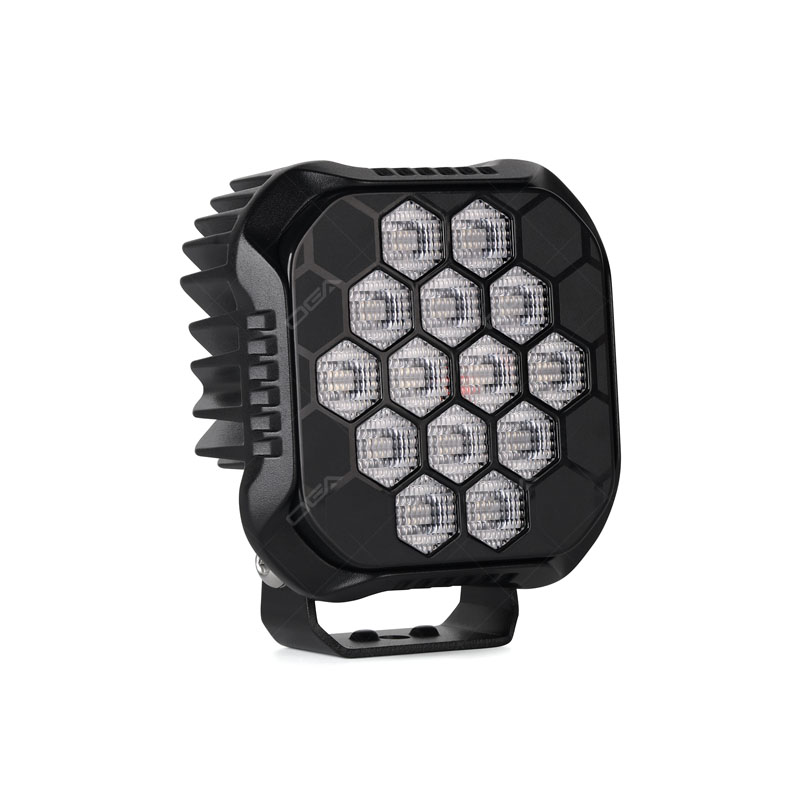
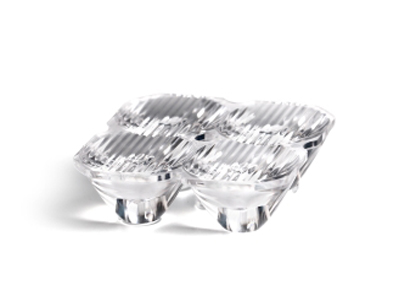
- Precision Optical Texture Design: This is the "flow director" that optimizes light output. The inner surface of the lens is not completely smooth; instead, it features precisely engineered micro-textures (e.g., frosted, prismatic, striped) created through mold etching. These textures efficiently diffuse, refract, and blend the light emitted from the discrete LED sources, resulting in a uniform, soft, and regulation-compliant light band that eliminates glaring hotspots.
Comparison and Trade-offs: Why Not Other Materials?
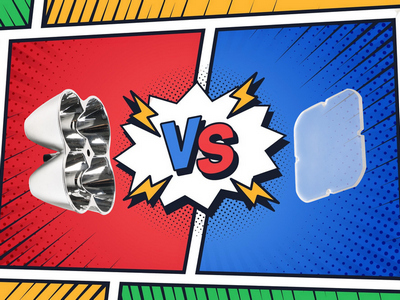
VS PMMA (Acrylic):PMMA offers slightly better light transmittance (~92%) and surface hardness at a lower cost. However, its fatal flaw is high brittleness and significantly inferior impact resistance compared to PC. A simple drop test can cause it to crack. Therefore, PMMA is only suitable for interior, decorative ambient light strips with no risk of direct physical impact.
In summary
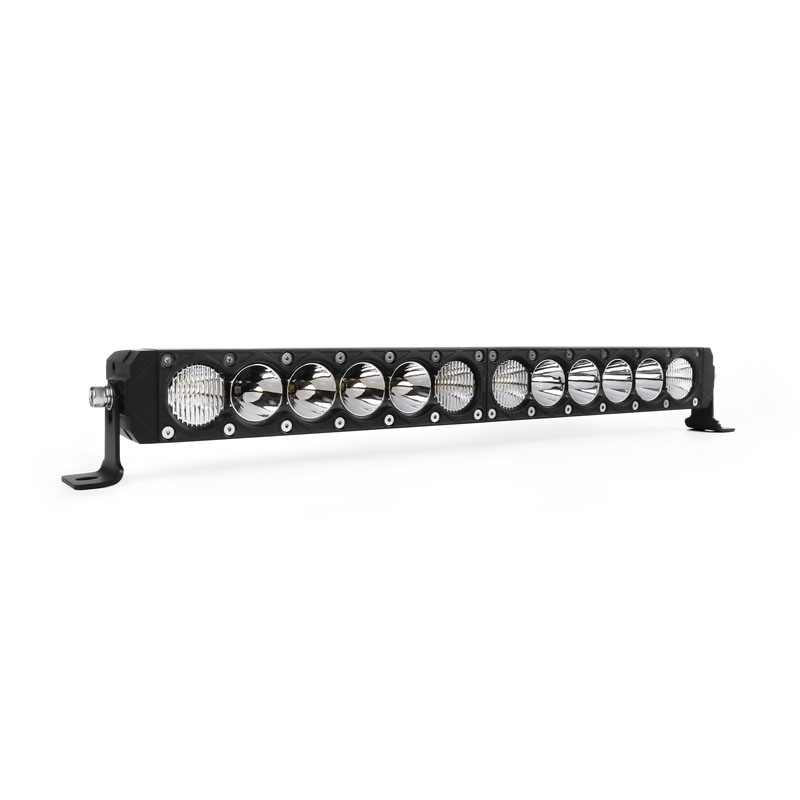
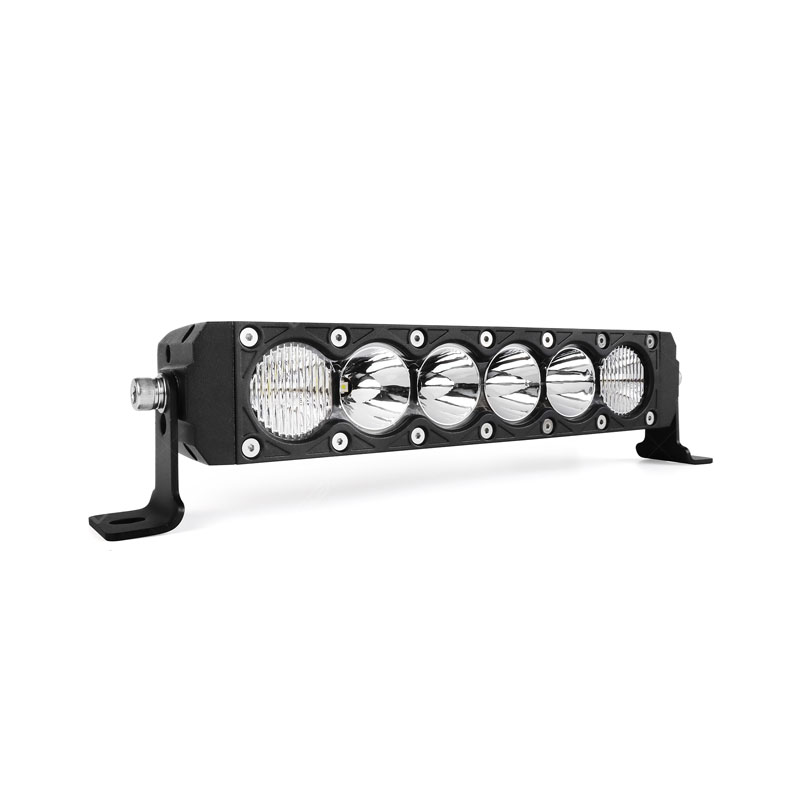
The selection of polycarbonate (PC) for automotive LED light bar lenses is a best-in-class engineering solution, and rigorously validated in harsh environments. It is not merely a "transparent cover" but a critical component integrating the functions of an impact-resistant armor, a weatherproof shield, and an efficient light guide.








 2026-06-12
 info@ogaled.com
  0086 135-6015-6476
  Room 505, 5th Floor, Jiangyun Building, No. 5 Heguang 2nd Cross Road, Tianhe District, Guangzhou