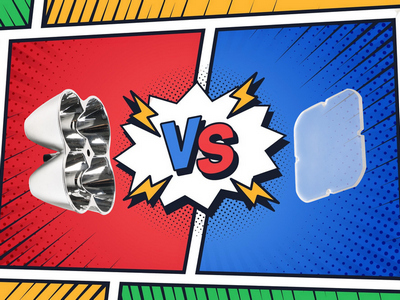
In automotive LED lighting, optical performance is not defined by the LED chip alone. Lens material choices influence light transmission, heat stability, impact resistance, and long-term durability—especially in real-world conditions like vibration, thermal cycling, moisture, and UV exposure. At the same time, reflector-based designs rely heavily on the reflector cup system, where a vacuum aluminized (PVD) aluminum film and protective top coat help maintain reflectivity and beam consistency over time. In this article, we cover common LED lens materials, explain how reflector cups are built and coated, and share why PC is a preferred material in our lighting products.
1. Common LED Lens Materials: PMMA, PC, Silicone, and Glass
PMMA (Acrylic)
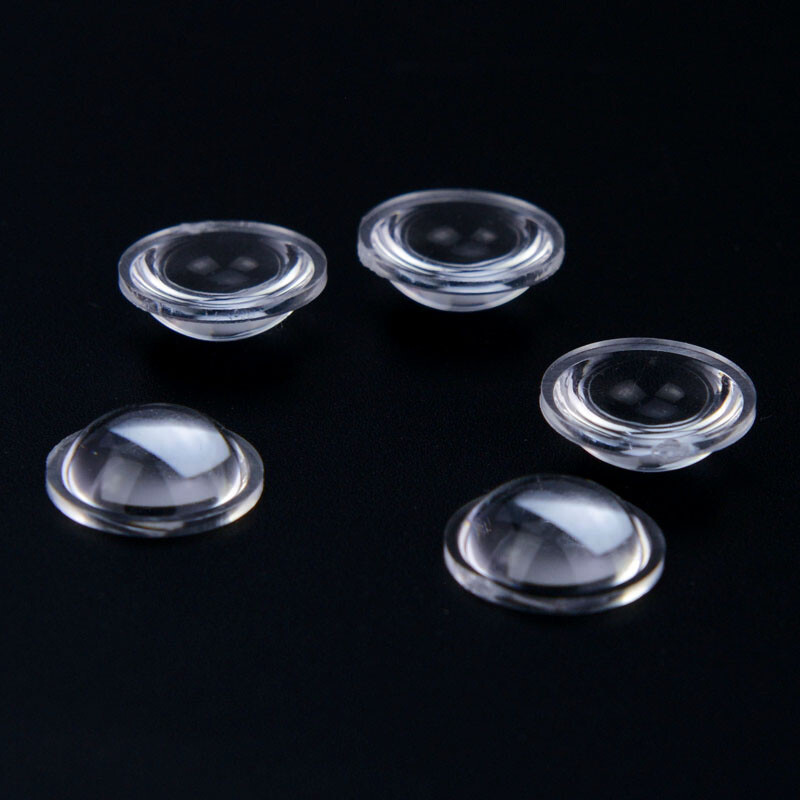
PMMA (polymethyl methacrylate), often called acrylic or "plexiglass," is known for high clarity and efficient mass production. It is commonly injection-molded and offers strong light transmission and a clean optical appearance. PMMA is often used where optics need good transparency and the thermal environment is relatively mild. For higher-temperature or repeated heat-cycle conditions, PMMA must be evaluated carefully due to its lower heat resistance compared to PC.
PC (Polycarbonate)
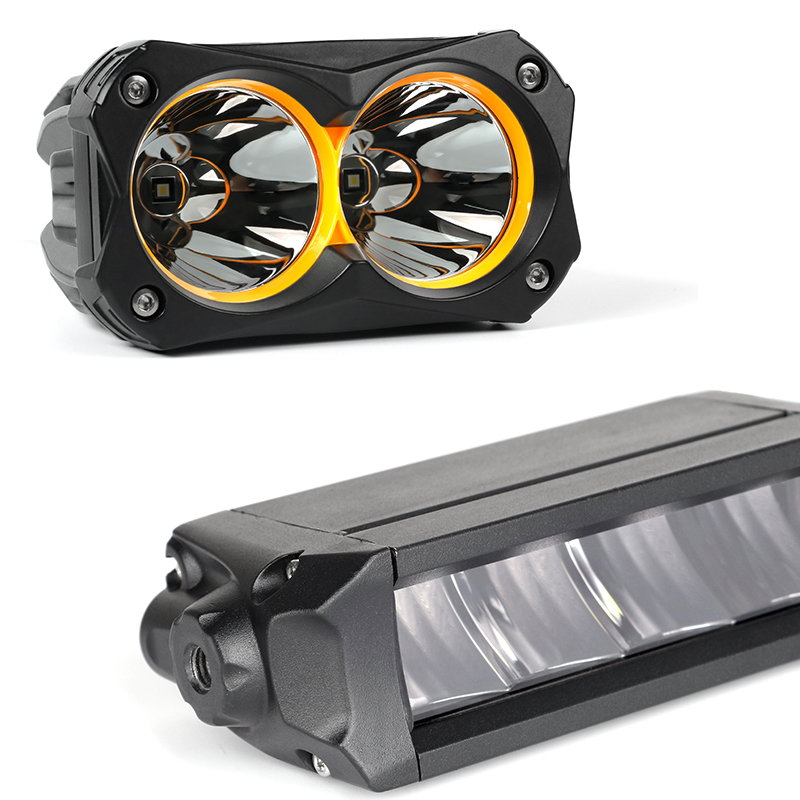
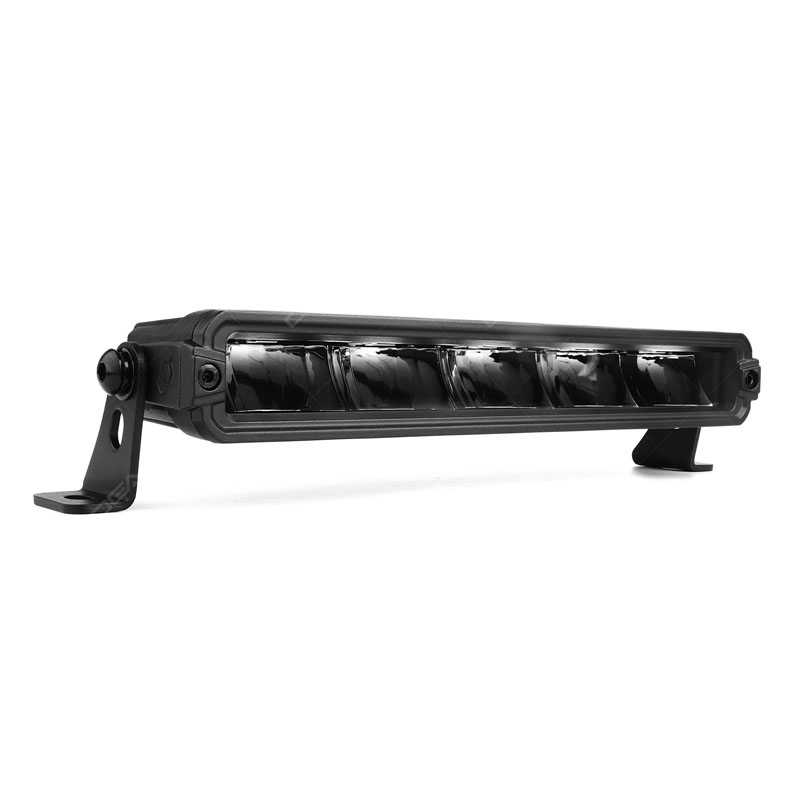
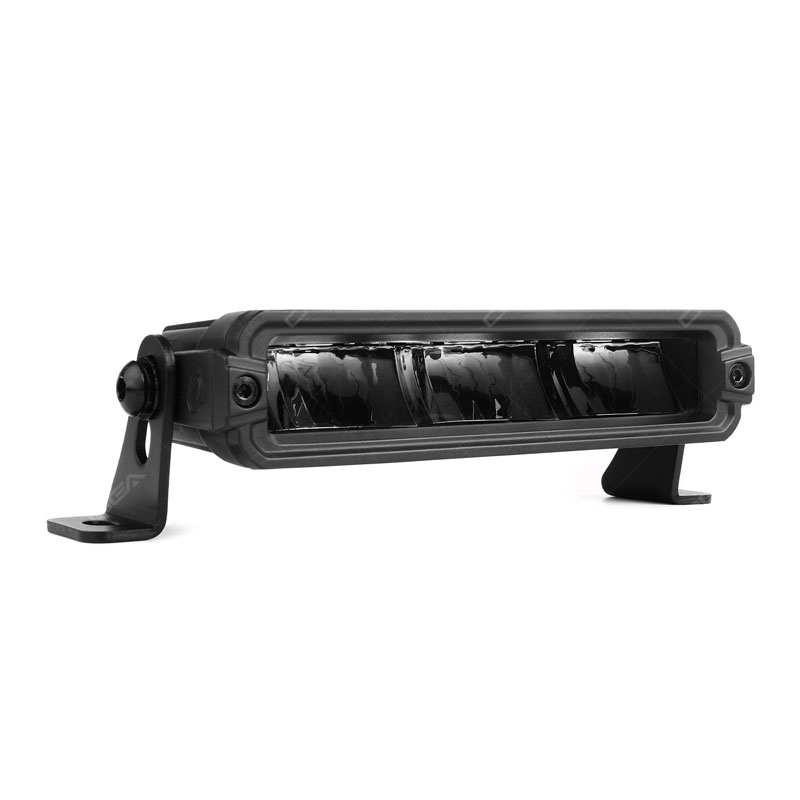
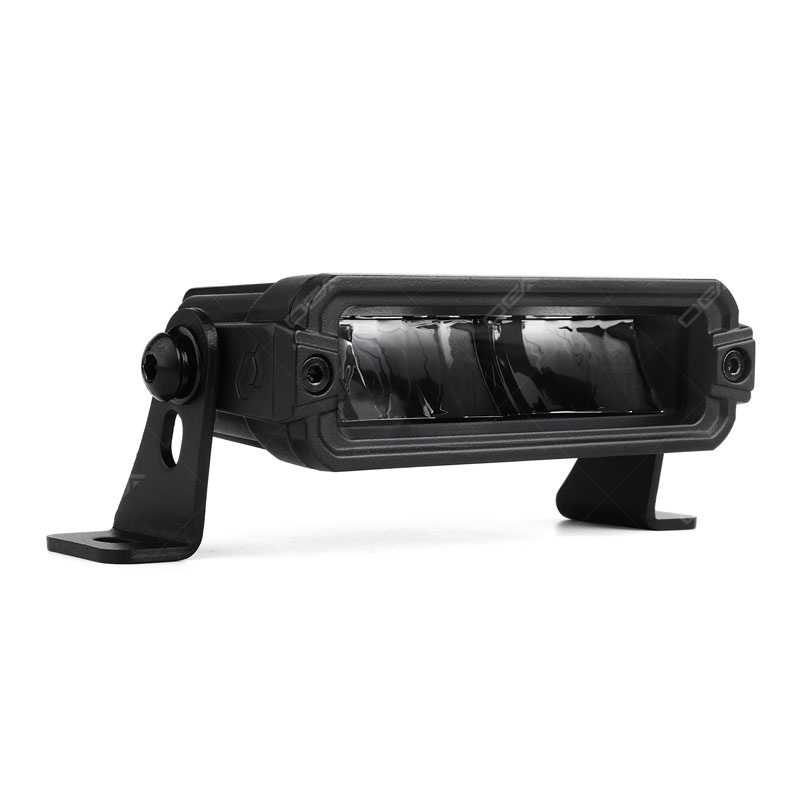
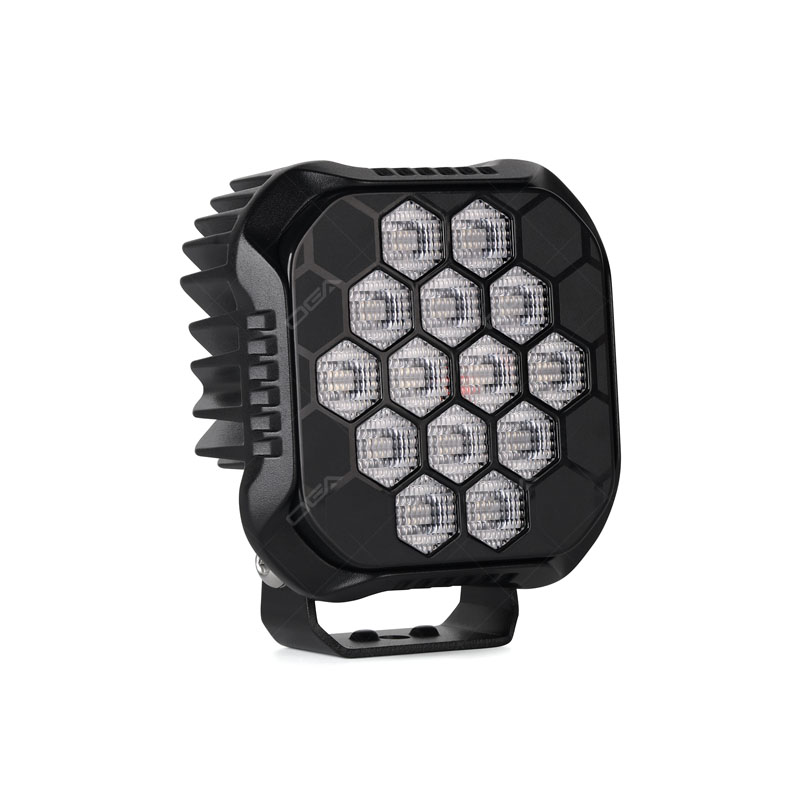
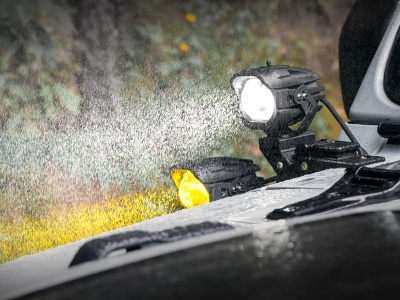
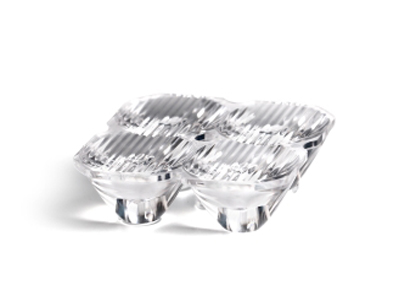
PC is widely used when higher heat resistance and impact durability are required. In automotive and off-road environments—where vibration, stone impact, and thermal cycling are common—PC lenses generally provide a more robust reliability margin. With proper UV protection (coating or additives), PC can also maintain better outdoor color stability for long-term use. In our 3012 Series RGB backlit LED spot work light, advanced TIR projector optics are paired with a hardened PC outer lens to help keep the beam precise while improving scratch resistance and long-term clarity versus PMMA.
Silicone
Optical silicone lenses are often selected for designs that require higher temperature tolerance and better flexibility. Silicone optics are frequently used close to high-power LED sources where thermal stress is higher, and long-term stability is a priority.

High Borosilicate Glass
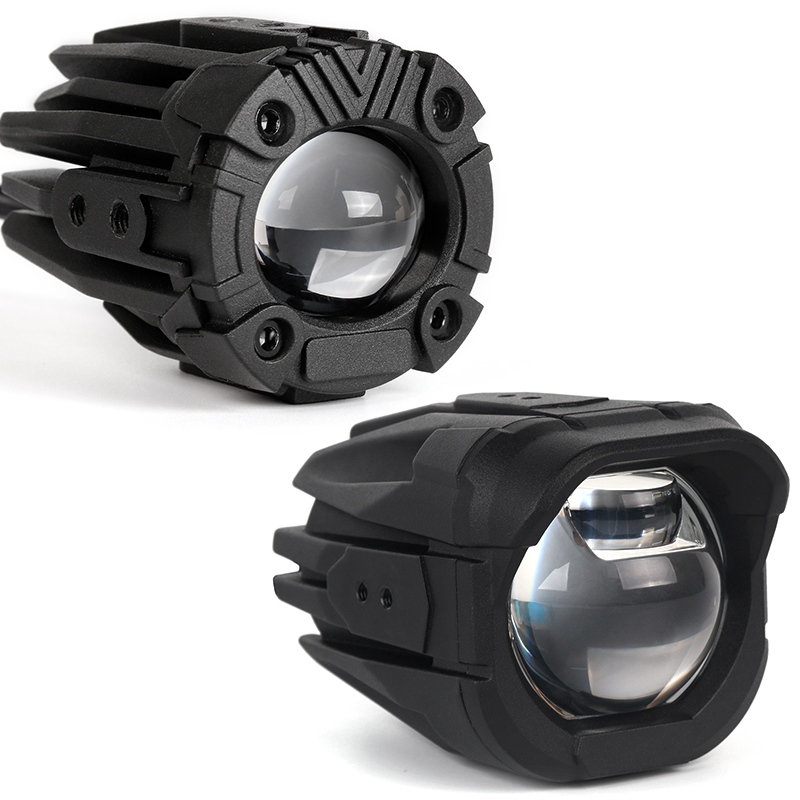
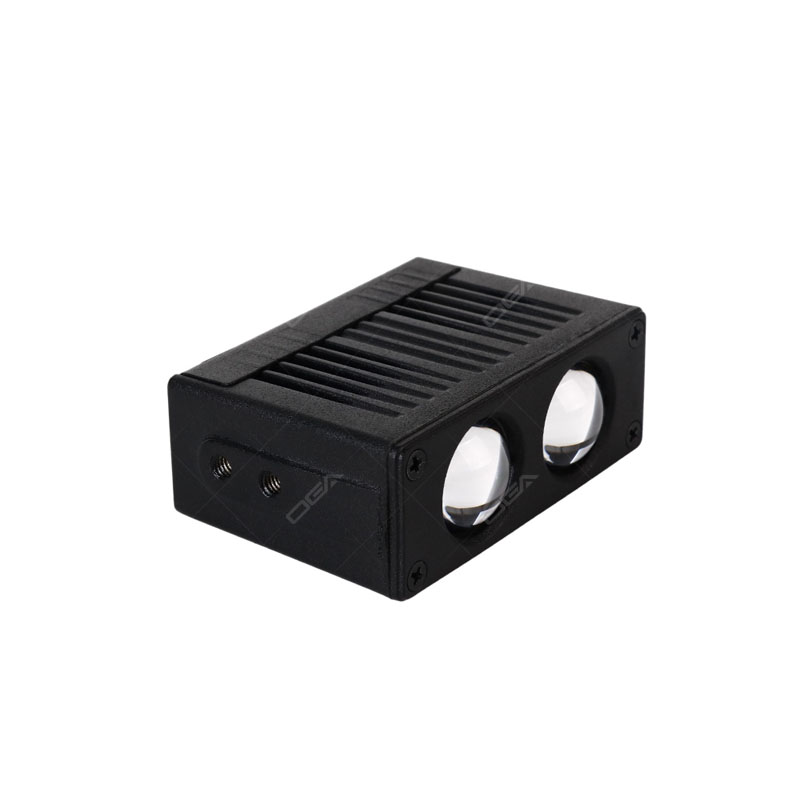
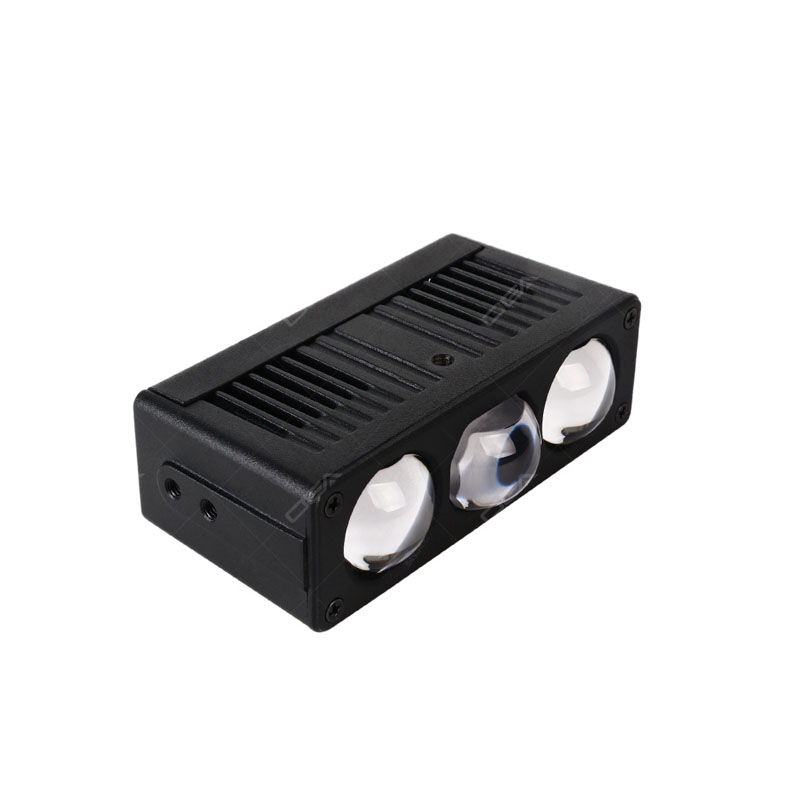
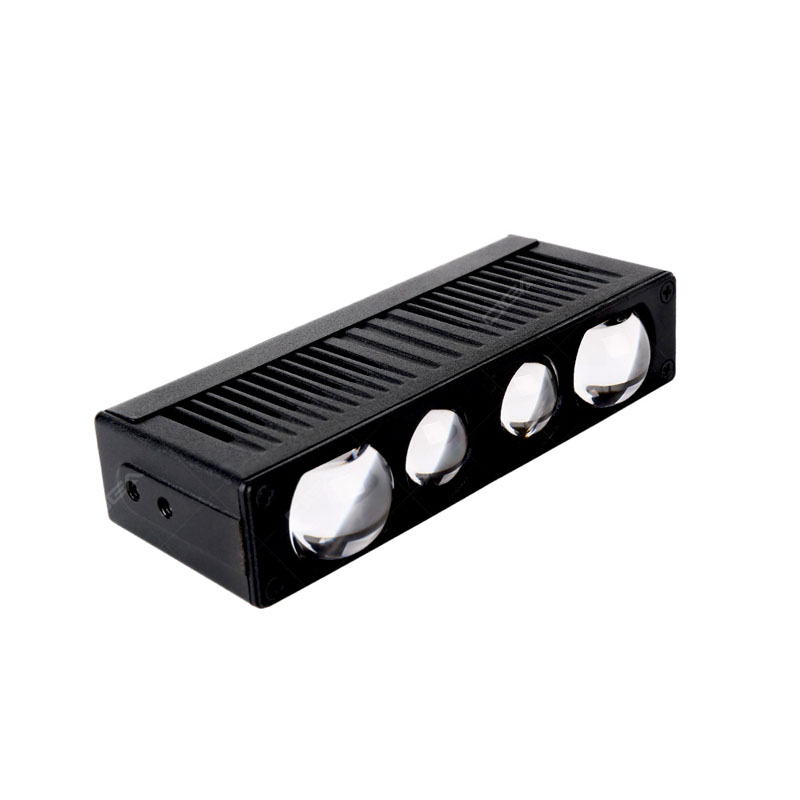
Glass lenses offer excellent optical stability, heat resistance, and scratch resistance. They are often selected for high-temperature, long-runtime applications and optical systems where consistent performance is critical—especially projector-style designs that require a sharp cutoff line and stable beam control. Trade-offs can include higher weight and higher cost, and impact resistance depends strongly on lens design and reinforcement. For example, our MT32 Series projector motorcycle auxiliary driving light uses a projector optics concept with a clear cutoff line, anti-glare control, and a dual-lens, switchable-beam design—exactly the type of application where optical stability and long-term consistency are prioritized.
2. Reflector Cup Material and Aluminum Coating: Vacuum Aluminizing (PVD)
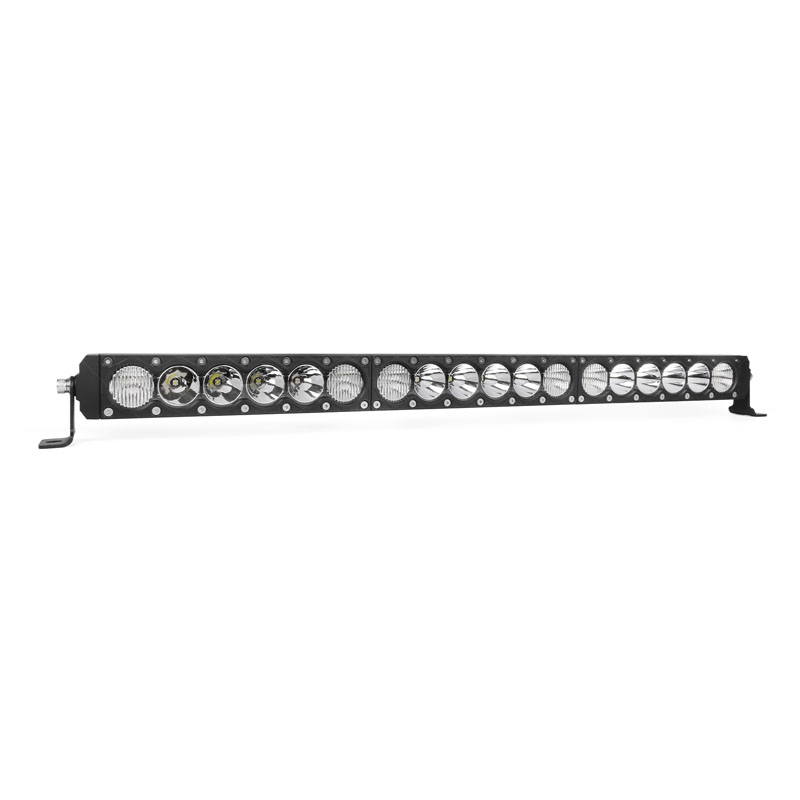
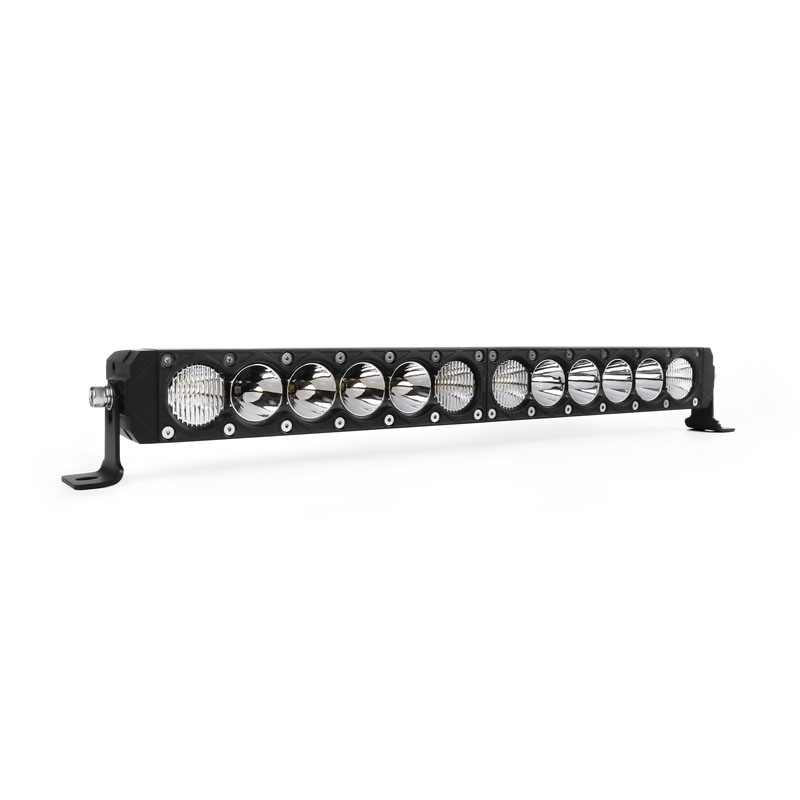
A reflector cup is not defined by a single material. In most automotive lighting designs, it is a two-part material system: a structural base that provides shape and heat tolerance, and a surface reflective layer that actually does the reflecting.
2.1 Base material (structure and heat stability)
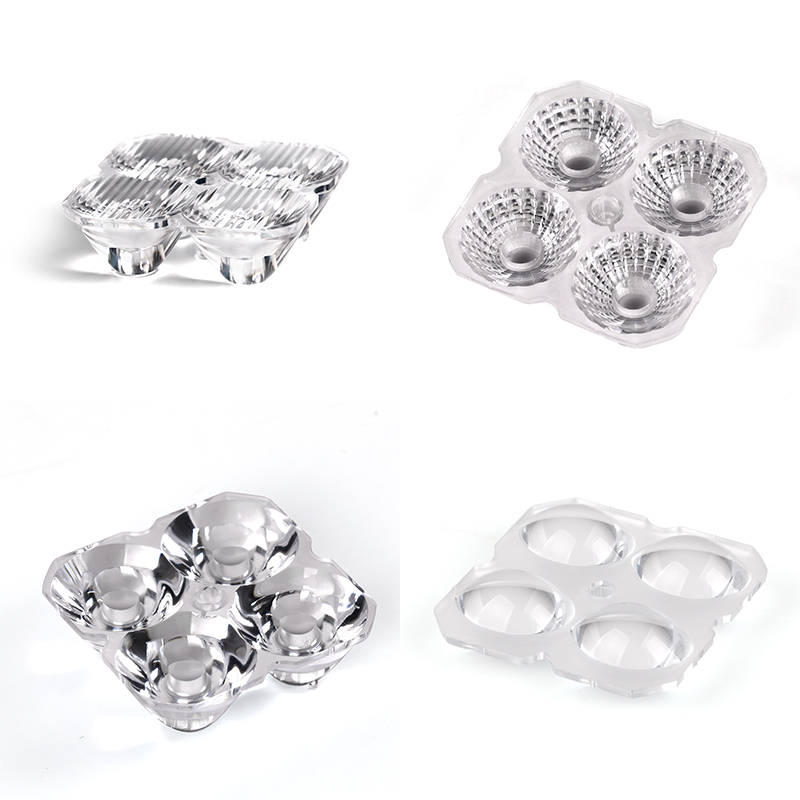
Most reflector cups use engineering plastics because they are lightweight, cost-effective, and easy to mass-produce with consistent geometry. Common options include:
PC (Polycarbonate): Often chosen for reflector bases in harsher environments because it offers better heat resistance and impact toughness, helping the reflector maintain shape under thermal cycling and vibration.
ABS or PC-ABS blends: Used in more cost-sensitive designs or lower-temperature zones. They mold well and support clean surface finishes, but typically provide less thermal margin than PC.
Other high-temperature plastics (e.g., PBT, PA/nylon): Sometimes used when higher temperature resistance or mechanical strength is needed, depending on the housing design and operating conditions.
In applications with extremely high heat or where maximum rigidity is required, some designs use metal reflector bases, typically aluminum alloy (die-cast or stamped). Metal reflectors can handle heat well but add cost and weight and follow a different manufacturing route.
2.2 Reflective layer (the part that controls reflection efficiency)
The "mirror-like" surface is usually not the base material itself. Reflector cups commonly use vacuum aluminizing (PVD/vacuum metallization) to deposit a thin aluminum film with high reflectivity. This layer is critical because it determines how efficiently light is redirected and how consistent the beam distribution is.
2.3 Why vacuum aluminizing (PVD), not wet electroplating
In reflector applications, what many people casually call "aluminum plating" is most accurately described as vacuum aluminizing or PVD metallization. For reflector cups, this is the mainstream method because it creates a highly reflective aluminum layer efficiently and consistently.
2.4 Typical vacuum aluminizing (PVD) process for reflectors
1. Cleaning and drying to remove oils and dust (critical to avoid pinholes and haze)
2. Base coat application to smooth the surface and improve adhesion
3. Vacuum aluminizing / PVD deposition to form the reflective aluminum film
4. Protective top coat to prevent oxidation, moisture damage, and corrosion
5. Curing (thermal or UV curing) to stabilize the coating system
3. Why We Use PC in Our Lights
Automotive lighting must survive heat, vibration, impact, UV exposure, moisture, and thermal cycling. PC is a preferred material in our designs because it balances durability and manufacturability in real-world conditions.
Better heat resistance and shape stability:
PC maintains structural stability under higher operating temperatures and repeated heat cycles. This helps reduce the risk of optical deformation that can shift beam pattern, and it supports stable sealing surfaces—lowering the chance of fogging or water ingress caused by distortion over time.
High impact strength for harsh environments:
Road debris, vibration, and off-road impacts can crack brittle materials. PC's toughness and impact resistance reduce breakage risk, improving reliability in demanding applications.
Outdoor durability with UV protection:
With UV coatings or UV-enhanced formulations, PC can better resist yellowing and aging in long-term outdoor use, helping maintain appearance and optical performance.
Consistent mass production:
PC is well-suited to injection molding with stable dimensional control, which supports consistent assembly and quality for B2B volume supply.
Key Takeaway
Lens material selection influences optical clarity, heat stability, and durability. For reflector cups, vacuum aluminizing (PVD) with a protective coating is the common and effective way to create a durable, high-reflectivity aluminum layer. PC is widely used in automotive lighting because it provides strong heat resistance, impact strength, and reliable mass production.
To learn more about our automotive LED lighting solutions and OEM/ODM projects, visit cn360led.com.








 2026-06-12
 info@ogaled.com
  0086 135-6015-6476
  Room 505, 5th Floor, Jiangyun Building, No. 5 Heguang 2nd Cross Road, Tianhe District, Guangzhou