When many fleet managers or equipment dealers purchase LED work lights, the first question is usually "How many lumens is it?". Lumens matter, but they only describe how much visible light the lamp emits in total. They do not tell you where that light lands, how far it reaches, how comfortable it is for the operator, or how long the lamp can survive dust, water and vibration. In real work, two lamps both claimed to be 3000 lm can perform completely differently once they are mounted on a machine.
A more reliable way to choose work lights is to look at seven key specifications that determine real-world performance: beam pattern and lux at distance, voltage and power, color temperature, thermal management, IP rating and mechanical strength, EMC compliance and finally warranty and supplier support.
1. Beam Pattern and Lux at Distance
The first concept is the combination of beam pattern and lux. Lumens (lm) represent the total luminous flux a source emits, while lux (lx) measures how much light actually reaches a surface; one lux is defined as one lumen per square metre. A lamp can have high lumens but low lux on the ground if the beam is uncontrolled or too wide.
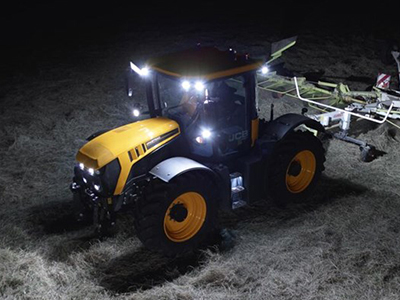
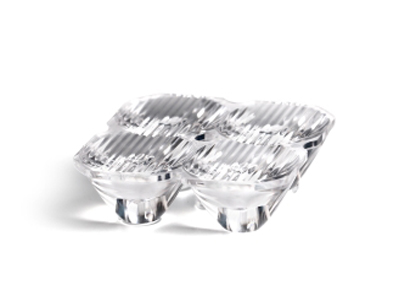
Flood beams with wide angles are suited to illuminating the area around excavators, loaders, forklifts or harvesters at close range. Narrower spot beams push light to longer distances for haul roads or loading points, and combo beams mix a spot centre with flood shoulders so operators can see both far ahead and to the sides. This is why good spec sheets do not stop at lumens: they also show lux at 10 or 20 metres, which lets you match the right beam and lux level to each mounting position instead of guessing from a single number.
2. Input Voltage, Power and Current Draw
The second group of parameters concerns how the lamp draws power from the vehicle. For mixed fleets that include 12 V light vehicles and 24 V heavy machinery, work lights with a wide input range such as 10–30 V DC are much easier to deploy across different equipment. It is important to distinguish between marketing power and realistic power; a rating such as "20 W ±10%" linked to a measured current at a given voltage is far more trustworthy than a very high wattage with no detail.
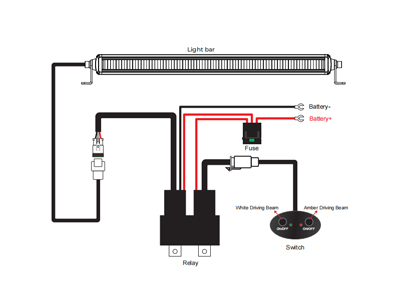
Current draw at a specified voltage, for example 1.5 A at 13.2 V, is what you actually use to design the circuit. It determines how many lamps can safely be placed on one branch, which wire gauge and fuse values are appropriate, and whether the lamp is compatible with existing harnesses. Lamps that claim 50 W but only draw 15–20 W will never deliver the illumination that the brochure suggests, and they often indicate a gap between the label and reality.
3. Color Temperature and Visual Comfort
Color temperature, measured in Kelvin, describes whether light appears warm, neutral or cool. Around 5000 K gives a neutral white close to daylight, while 6000 K appears as a slightly bluish cool white. Many professional lighting guides recommend cool white in the 5000–6500 K range for demanding outdoor tasks, because this type of light improves clarity and focus compared with warm, yellowish tones.
For work lights on machinery, a range between roughly 5000 K and 6000 K usually offers the best balance. Very warm light can make surface defects, puddles and obstacles harder to detect, whereas excessively bluish light increases perceived glare and eye fatigue, especially in rain or fog. Standardising the color temperature across all work lights in a fleet also creates a consistent visual environment and helps operators adapt more easily when they move between different vehicles.
4. Thermal Management and Stable Output
Heat is a silent killer for LEDs. Research on LED thermal behaviour shows that higher junction temperatures accelerate lumen depreciation and reduce lifetime, while lowering the temperature can significantly extend useful life. To manage this, professional work lights use high-conductivity aluminium housings with generous cooling fins and carefully designed airflow paths, and the driver electronics limit current to keep the LED junction within a safe operating range.
Cheap lamps often look very bright immediately after switch-on, but after ten or fifteen minutes of operation the housing becomes hot, the driver reduces current, and the beam visibly dims. For fleets that run vehicles for many hours per day, the key question is not how stunning the first minute looks, but whether the lamp can hold a stable output throughout an entire shift without cooking itself.
5. IP Rating and Mechanical Strength
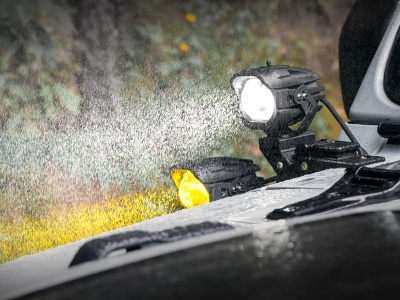
Ingress Protection (IP) ratings under IEC 60529 describe how well an enclosure resists dust and water. IP67 means the device is dust-tight and can withstand immersion in water up to one metre for around thirty minutes, whereas IP68 keeps the same dust protection but allows for deeper or longer immersion according to the manufacturer’s specification. For construction sites, mines and agricultural fields, IP67 is usually the minimum, and IP68 is preferred where pressure washing or regular submersion is expected.
Mechanical strength is just as important as sealing. A robust work light will use a strong metal housing, often die-cast aluminium with reinforcing ribs, combined with an impact-resistant lens material such as polycarbonate to survive stones, branches and daily shocks. Secure brackets and fasteners help the lamp maintain its aim under constant vibration and rough terrain.
6. EMC Compliance and ECE R10
Modern vehicles integrate ECUs, ABS modules, radios, sensors and communication equipment, so a poorly designed LED lamp can cause electromagnetic interference or be affected by it. UNECE Regulation No. 10 (ECE-R10) sets electromagnetic compatibility requirements for vehicles and electrical components, including lighting; it covers both emission limits and immunity to external disturbances. A work light with ECE-R10 approval must not disturb other electrical equipment and must itself tolerate a defined level of electromagnetic fields.
For fleets operating in countries that follow E-mark rules, ECE-R10 type approval is often mandatory for on-road use. Even purely off-road machinery can benefit from EMC-compliant lighting, because it reduces the risk of radio noise, instrument glitches or fault codes linked to the lighting circuits.
7. Warranty, Product Families and Supplier Support
The final piece of the puzzle is not a technical number but the way the supplier stands behind the product. A clear professional warranty period, typically in the range of eighteen to twenty-four months for work lights, shows confidence in design and quality. A catalogue built around coherent families, where similar housings offer different powers, beam patterns and sizes, makes it easier to standardise across a fleet, simplify stock and train technicians.
Just as importantly, strong suppliers provide complete datasheets, wiring guidance and application advice, so you can design lighting layouts with confidence instead of relying on trial and error.
Turning Specs into a Real Lighting Plan
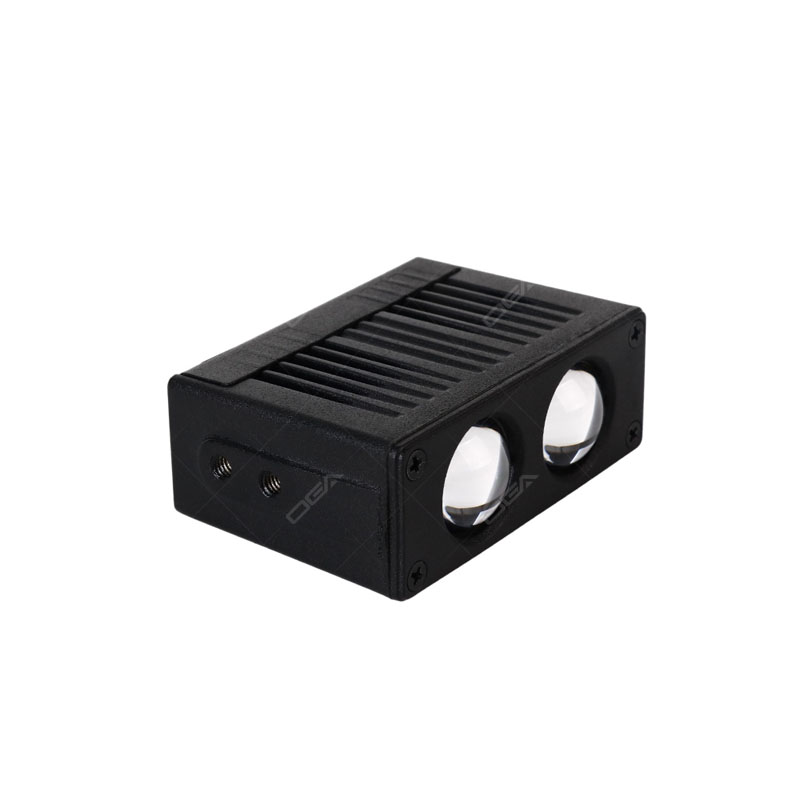
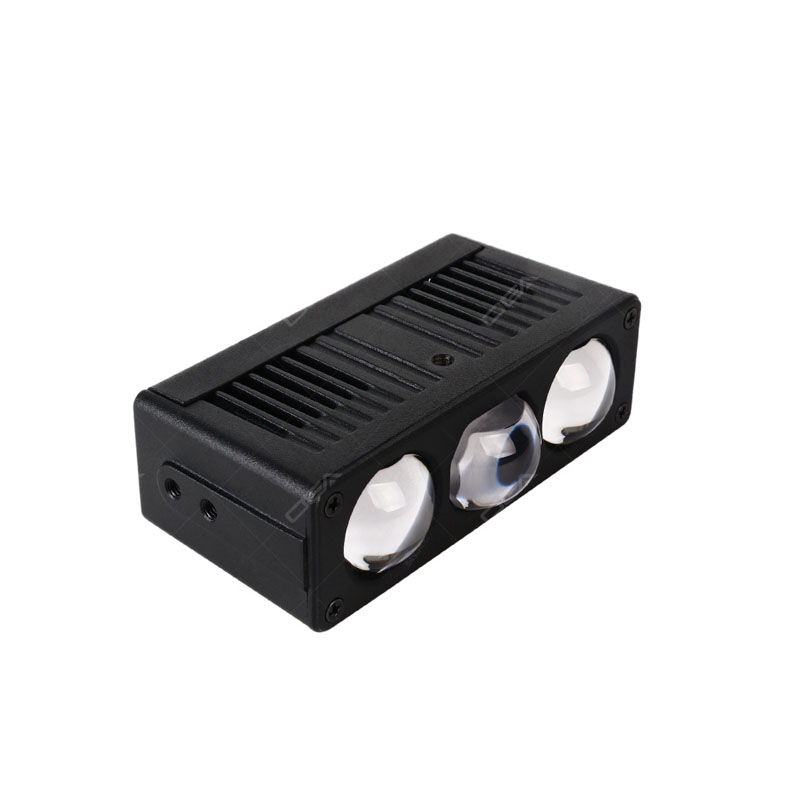
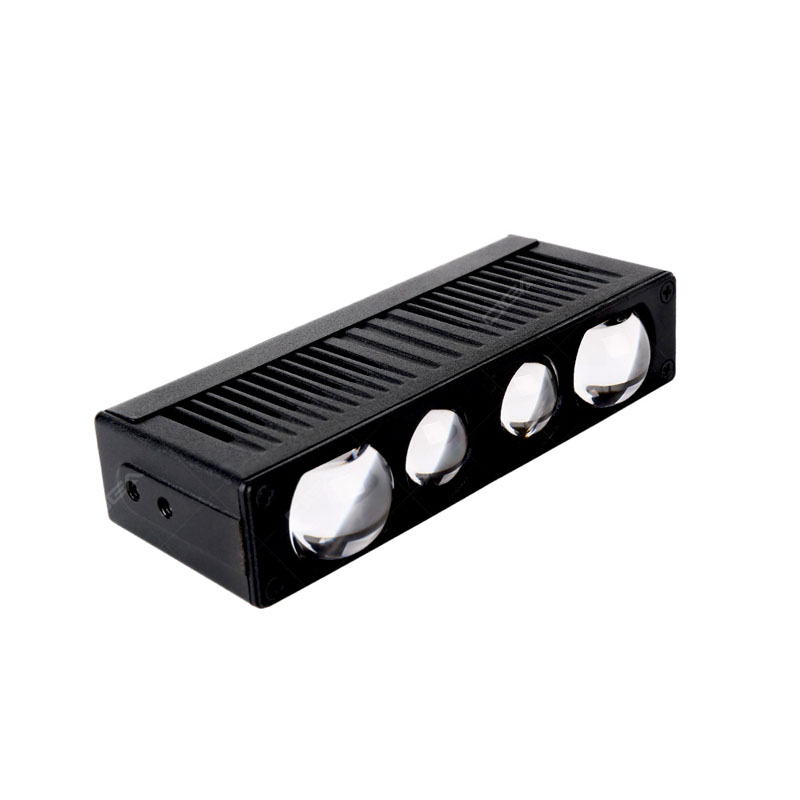
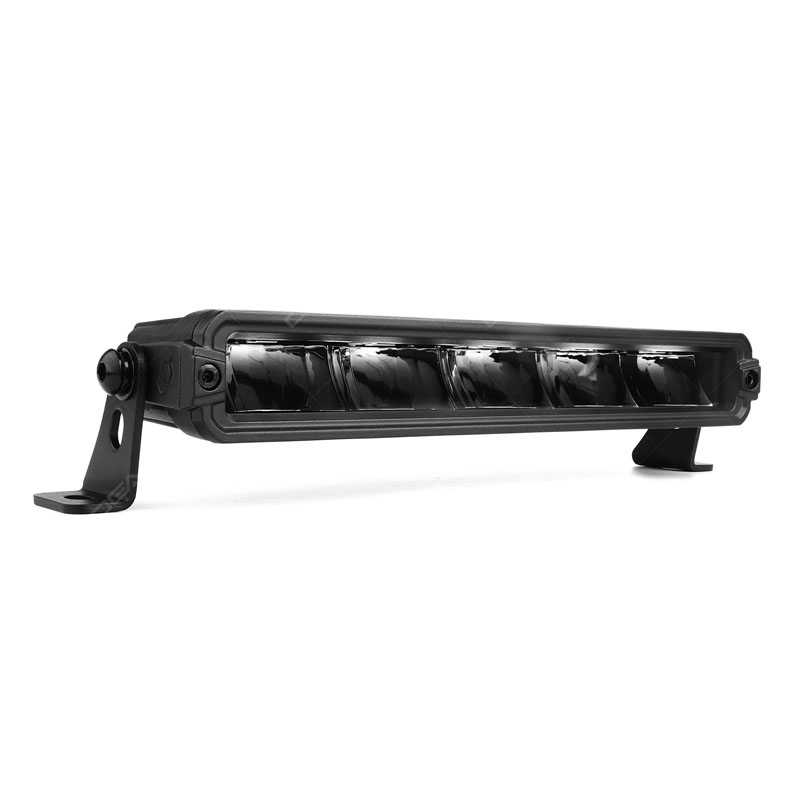
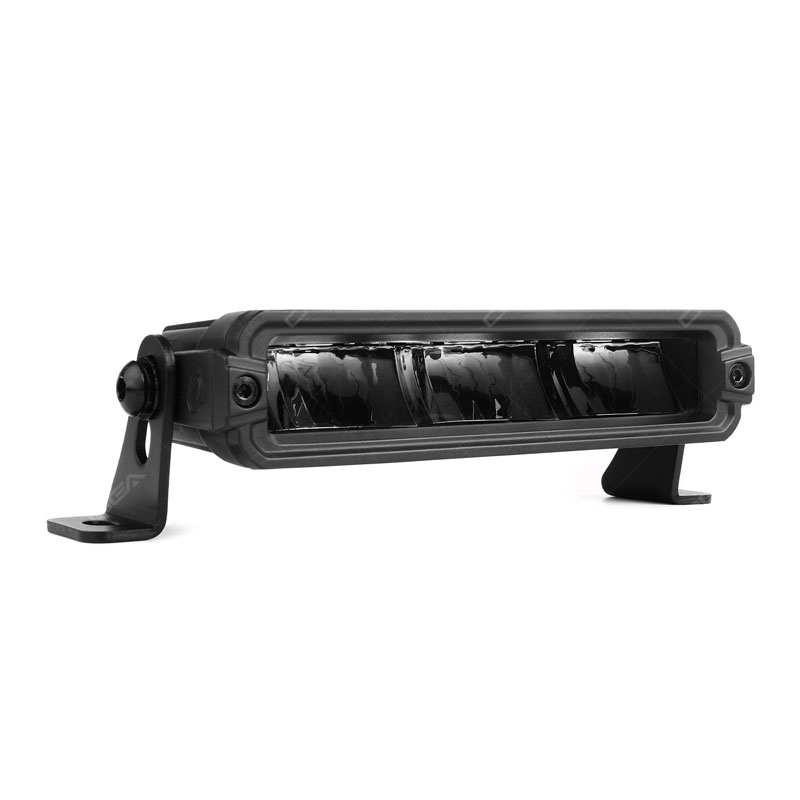
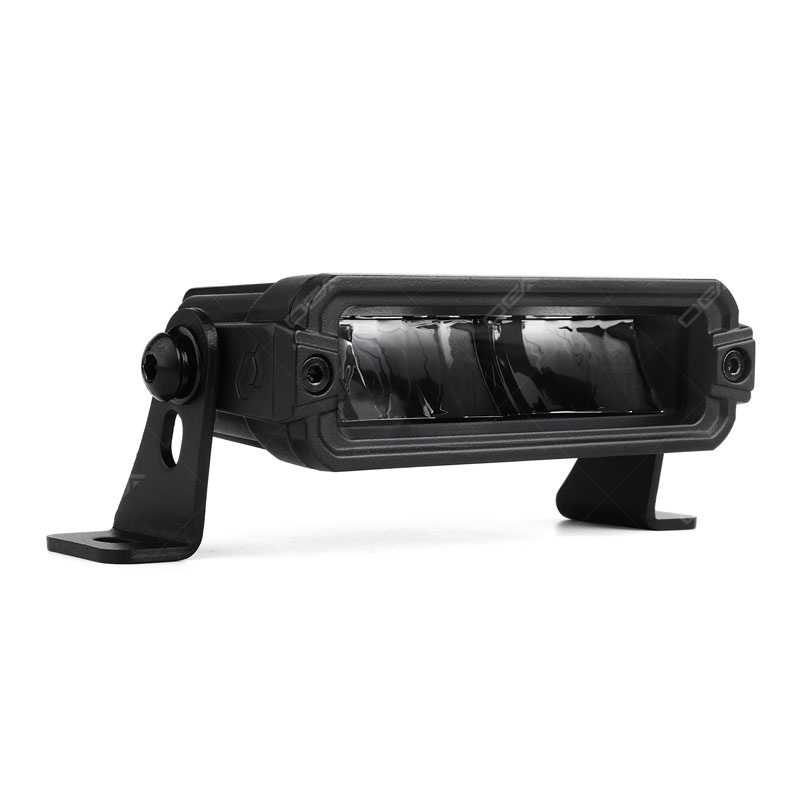
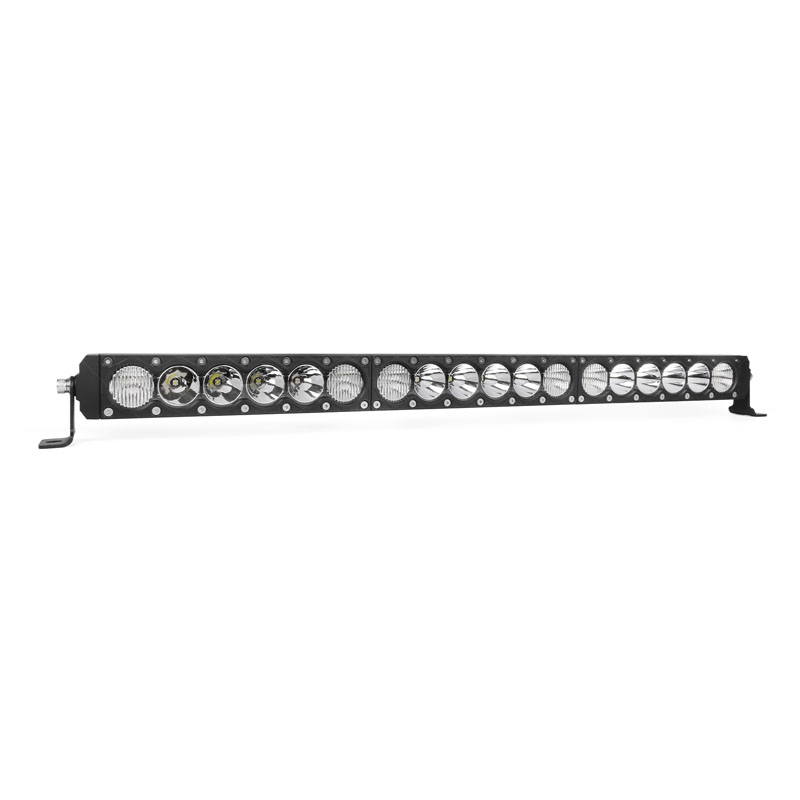
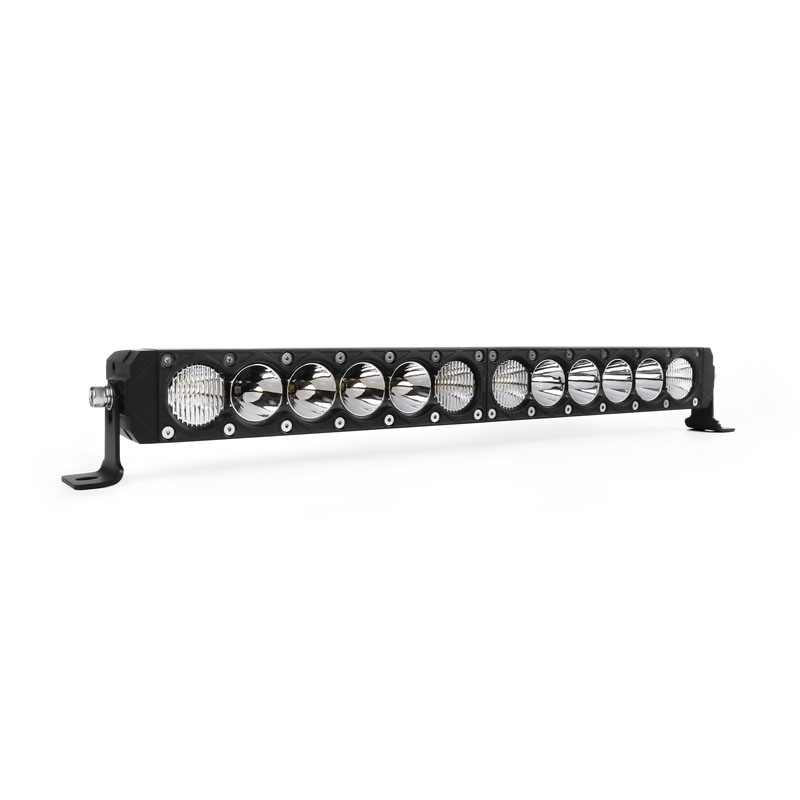
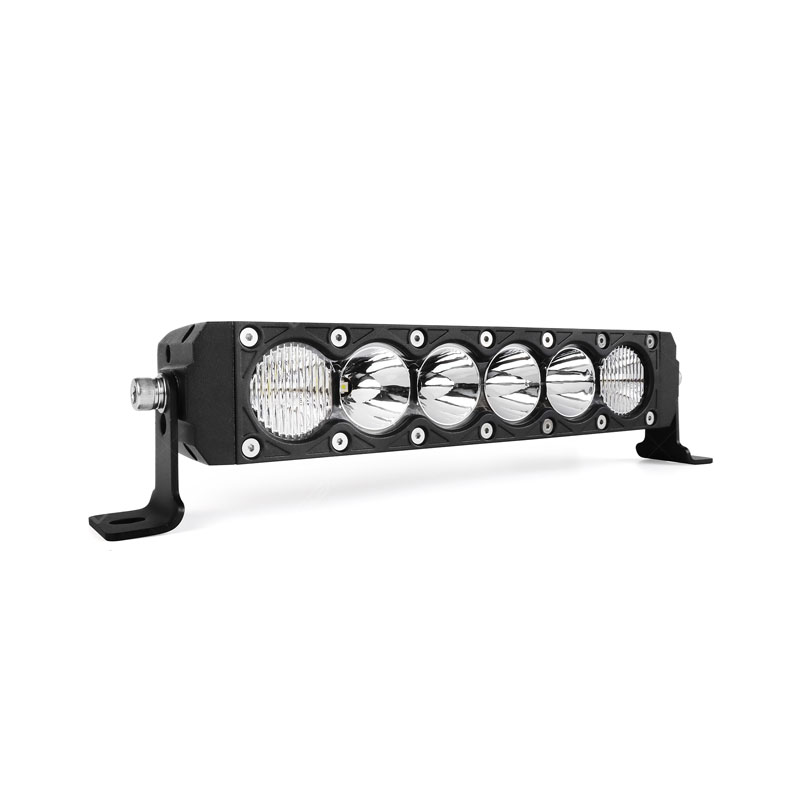
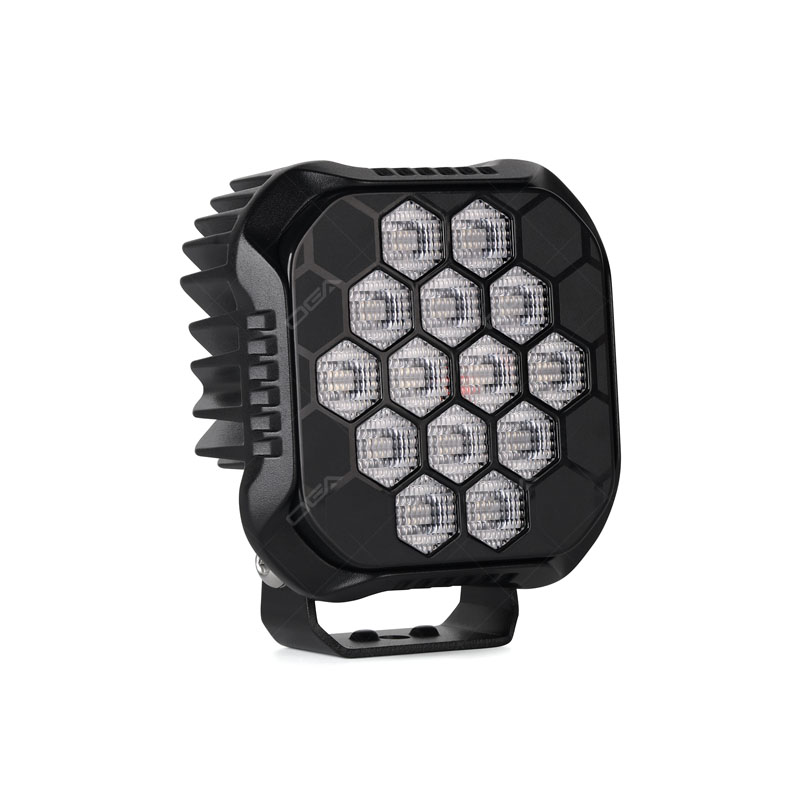
Once you start choosing LED work lights with these seven specifications in mind, the question is no longer just "How many lumens?" but "What do my drivers and machines really need to see, at what distance, and for how long?". With that mindset, you can evaluate any brand more calmly, or look directly at proven options such as our CN360LED and OGA ranges, including OGA W3020 series work lights and high-output single-row light bars from CN360.
If you would like to explore concrete models and beam patterns, you can find more details on our websites: cn360led.com and ogaled.com.








 2026-06-12


 info@ogaled.com
  0086 135-6015-6476
  Room 505, 5th Floor, Jiangyun Building, No. 5 Heguang 2nd Cross Road, Tianhe District, Guangzhou