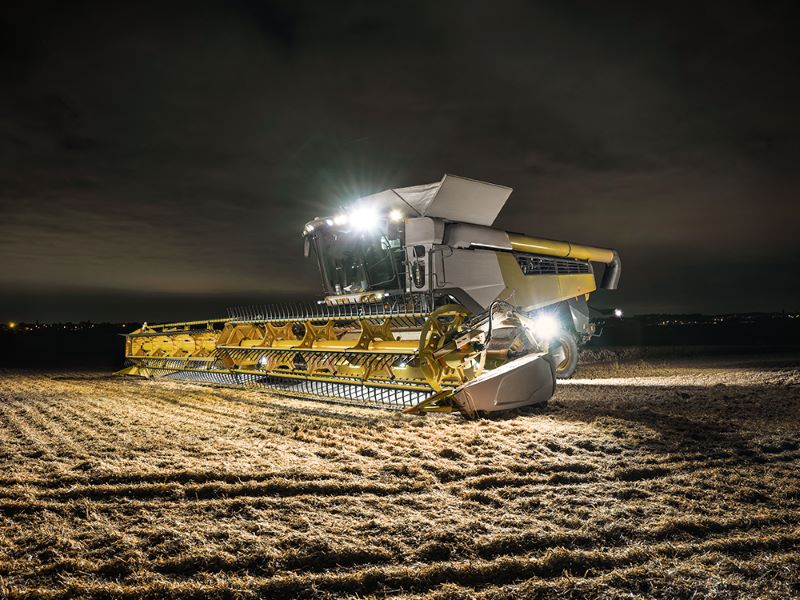
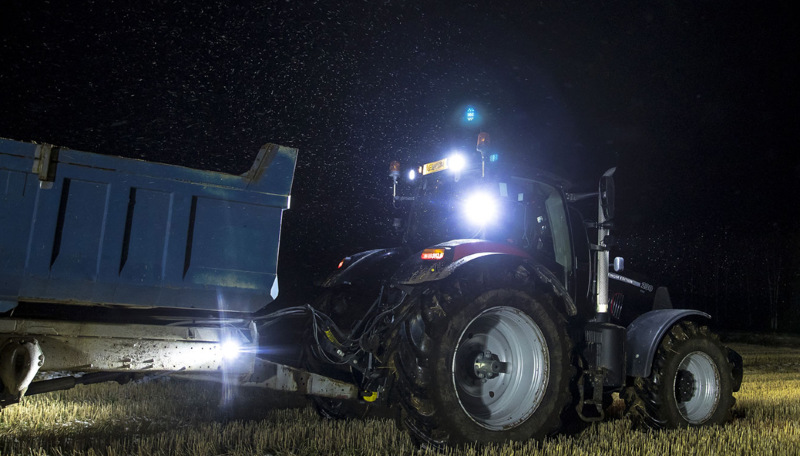
Agricultural machinery often operates in conditions that are far more demanding than ordinary vehicle use. Dust, mud, vibration, rain, and long working hours all place extra pressure on the lighting system. For this reason, a good agricultural work light should not be judged by brightness alone. Beam pattern, structural durability, thermal control, mounting flexibility, and electrical compatibility all play an important role in real-world performance.
Real Working Conditions Come First
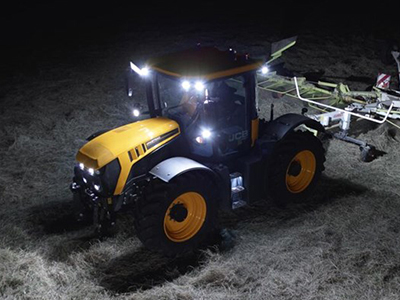
The design of an agricultural work light should begin with the environment in which it will actually be used. Tractors, harvesters, sprayers, and other farm machines often work in open fields, rough ground, wet weather, and heavy dust. In many cases, lighting is needed early in the morning, late at night, or during busy seasonal operations when equipment runs for extended periods. Because of this, agricultural lighting must be designed around real working conditions rather than ideal test conditions. A light that looks good on paper may still perform poorly if it cannot handle moisture, dirt, vibration, or long-term exposure to harsh outdoor environments.
Beam Pattern Should Match the Working Area
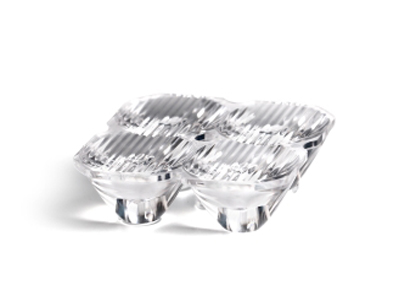
A work light is only effective when its beam pattern suits the actual task area. In agricultural use, different parts of the machine often require different types of illumination. Forward-facing positions may need better reach, while side and rear positions may need wider coverage to improve visibility around implements, attachments, or surrounding work zones. This is why beam pattern selection matters so much. A beam that is too narrow may leave important areas in shadow, while a beam that is too wide may reduce useful focus where the operator needs it most. Good lighting design is not simply about producing more light. It is about placing useful light in the right area.
Brightness Needs to Be Usable
In agricultural lighting, brightness should always be judged by usability rather than by numbers alone. A high lumen value may look impressive, but it does not always translate into better field performance. If the light is too scattered, too intense in one area, or unevenly distributed, it may reduce visibility instead of improving it. For operators, the real goal is to see the working area clearly and comfortably. That includes the ability to identify terrain, crop rows, equipment edges, and surrounding obstacles. A good work light should provide practical visibility, balanced coverage, and a stable view of the task zone rather than simply chasing the highest output.
Housing and Sealing Design Matter in Harsh Environments
Agricultural machinery works in environments where water, dust, mud, and debris are part of daily operation. This makes housing and sealing design especially important. The outer structure of the light should be strong enough to handle outdoor exposure and repeated use, while the sealing system should help protect internal components from moisture and contamination. A weak housing or poor sealing design can shorten product life and create reliability issues over time. For agricultural equipment, lighting is expected to remain dependable across changing weather, frequent cleaning, and continuous field use. Strong structural design is therefore a basic requirement, not an added feature.
Vibration Resistance Is a Key Design Factor
Agricultural machinery is constantly exposed to movement, rough surfaces, and mechanical vibration. Over time, this can affect not only the mounting bracket, but also the internal stability of the light itself. For this reason, vibration resistance is one of the most important design considerations in agricultural work lighting. A work light designed for this type of use should be able to maintain performance even after long periods of operation on uneven ground. Stable construction, durable mounting points, and reliable internal connections all contribute to longer service life. In real applications, durability often matters more than peak output.
Thermal Management Supports Long Working Hours
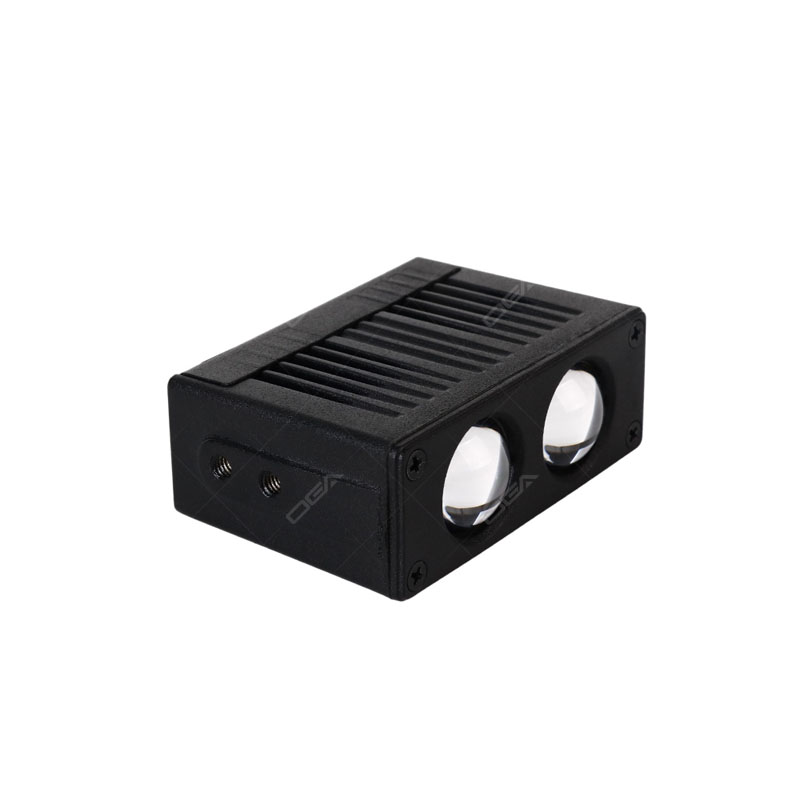
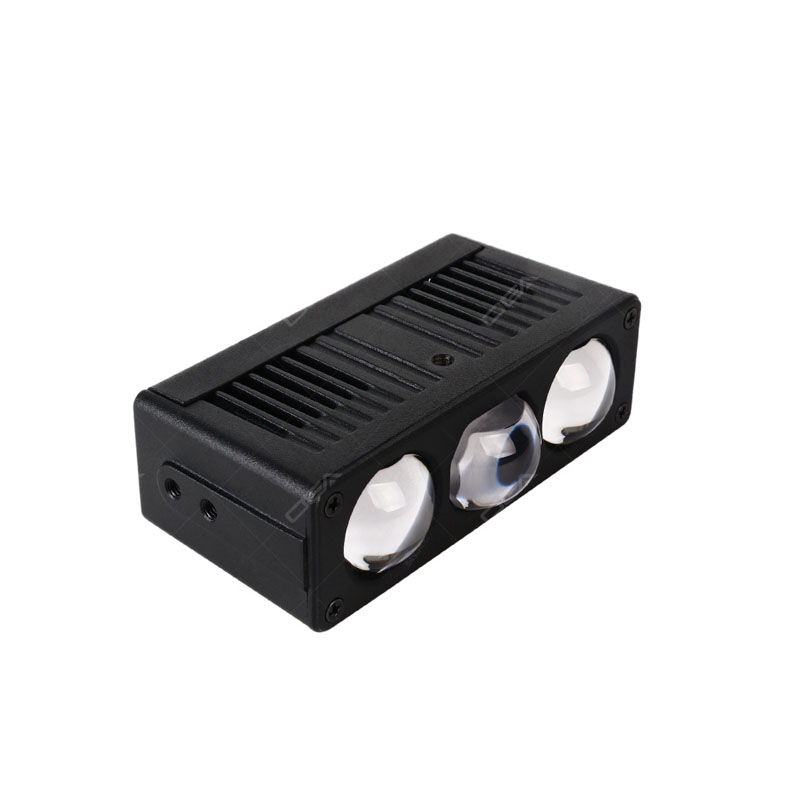
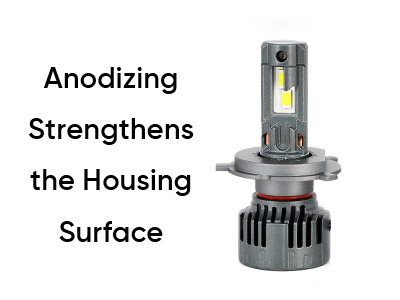
Farm equipment often operates for long periods during planting, harvesting, spraying, and other seasonal tasks. In these situations, thermal management becomes a critical part of work light design. Poor heat control can reduce output stability, affect component life, and increase the risk of early failure. A well-designed agricultural work light should support consistent performance over time rather than only delivering strong output for short periods. Effective heat dissipation helps the light maintain reliability during extended use and supports a longer service life under demanding working conditions.
Mounting Flexibility Affects Practical Performance
Even a well-designed light can underperform if it does not fit the machine properly. Agricultural equipment comes in many forms, and mounting positions can vary widely depending on the vehicle type, available space, and intended working area. Because of this, mounting flexibility should be considered part of the overall lighting design. Compact size, adjustable brackets, and installation compatibility all affect how well a work light performs once mounted. A product that is easy to position correctly is more likely to deliver effective coverage in real operation. Practical design should always account for how the light will be installed, not just how it performs in isolation.
Electrical Compatibility Should Not Be Overlooked
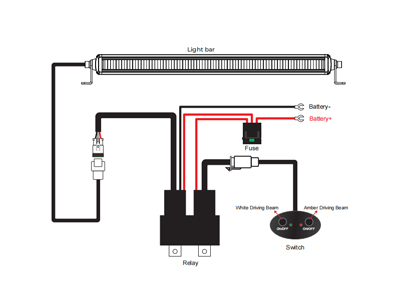
Electrical compatibility is another key factor in agricultural applications. Farm machinery may use different voltage systems, and lighting products need to function reliably across these conditions. A work light that is not well matched to the equipment can lead to unstable performance, installation difficulty, or unnecessary maintenance issues. Good electrical design helps ensure that the light performs consistently on different machines and in different working environments. For distributors, equipment builders, and professional buyers, compatibility is an important part of long-term product value because it supports wider application and easier integration.
Bringing Better Design Into Modern Agricultural Lighting
Modern agricultural lighting should be built around real field demands. Beam pattern, usable brightness, housing strength, sealing performance, vibration resistance, thermal management, mounting flexibility, and electrical compatibility all work together to determine whether a light is truly suitable for agricultural use. A better agricultural work light is not simply one that produces more output. It is one that delivers stable, practical, and durable performance in the environments where farm machinery actually works. As agricultural equipment continues to evolve, lighting design should continue to move in the same direction: more reliable, more adaptable, and more focused on real operating needs.









 2026-06-12


 info@ogaled.com
  0086 135-6015-6476
  Room 505, 5th Floor, Jiangyun Building, No. 5 Heguang 2nd Cross Road, Tianhe District, Guangzhou