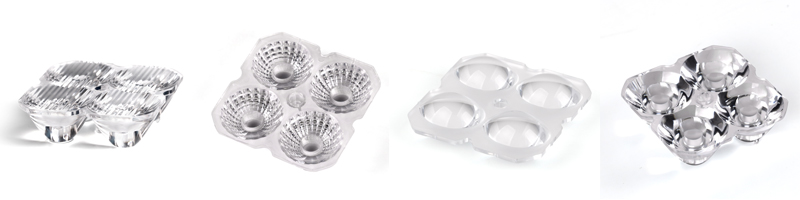
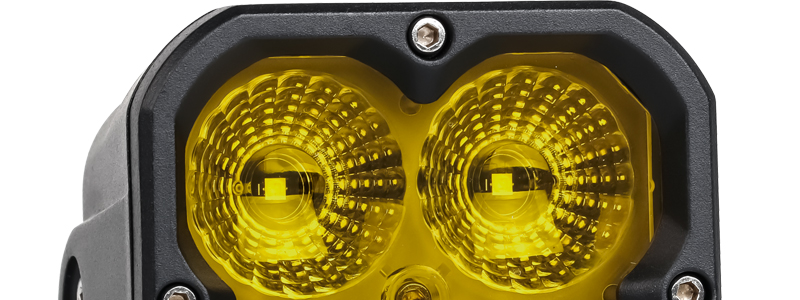
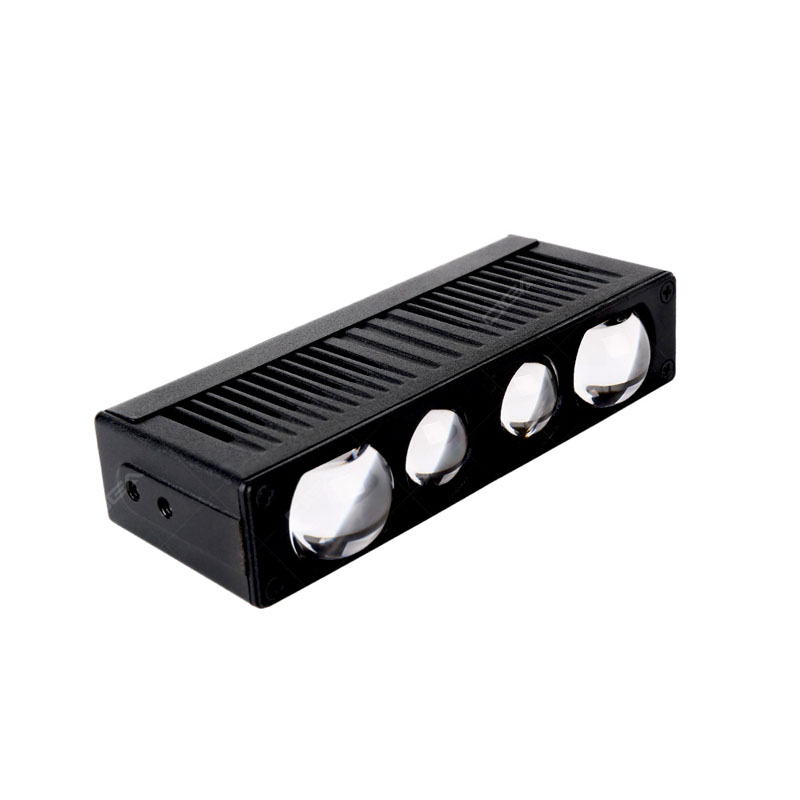
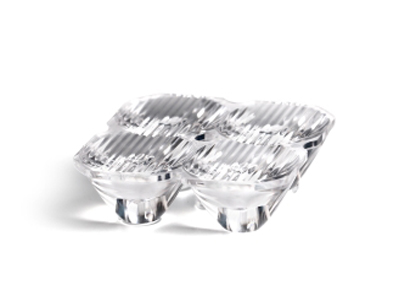
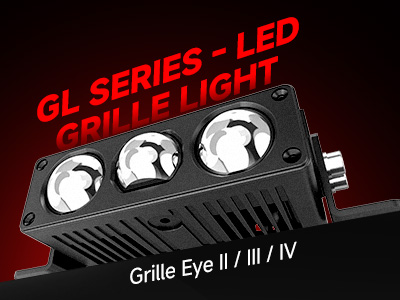
In automotive lighting, optical design plays a major role in determining how useful, efficient, and safe a lamp really is. Brightness alone does not define lighting quality. The way light is collected, shaped, and projected is just as important. This is where the TIR lens becomes highly relevant. A TIR lens, short for Total Internal Reflection lens, is a type of optical component commonly used in LED lighting systems. In automotive lighting, it is often applied in auxiliary lights, work lights, driving lights, fog lamps, and some compact lighting modules. Compared with traditional reflector-based optical systems, a TIR lens can provide more controlled beam shaping, better optical efficiency, and a more compact overall design.
1. What Does TIR Mean?
TIR stands for Total Internal Reflection. This is an optical principle that occurs when light travels inside a transparent material and strikes the inner surface at a specific angle. Instead of passing through the surface, the light is reflected back inside the material. With careful engineering, this reflected light can then be redirected into a controlled output beam.
In simple terms, a TIR lens is not just a normal lens that bends light through refraction. It is a specially designed optical part that uses both:
By combining these two functions in one optical element, a TIR lens can collect and direct LED light more effectively.
2. How Does a TIR Lens Work?
A TIR lens is usually placed directly above the LED chip. Once the LED emits light, the rays travel into the lens and are controlled in different ways depending on their direction.
-
Center portion: the light is mainly shaped by refraction, helping form the main forward beam
-
Outer sidewall: the light reaches the internal surface at an angle that causes total internal reflection, then is redirected outward in the intended beam direction
Because both the center and outer regions work together, the TIR lens can collect more of the LED's output and shape it into a more usable beam pattern.
3. Why Is a TIR Lens Suitable for LED Automotive Lighting?
LEDs are especially well suited for TIR optics because LED chips are relatively small and directionally controllable. This makes it easier for a precision-designed optical component to collect and organize the emitted light.
In automotive lighting, this is valuable because the lamp often needs to deliver more than just raw brightness. It must also provide:
-
Controlled beam distribution
-
Useful forward visibility
-
Reduced wasted light
-
Efficient use of available lumen output
-
Compact packaging for modern lamp designs
A TIR lens helps achieve these goals more effectively than many conventional optical layouts, especially in compact auxiliary lighting products.
4. Main Advantages of TIR Lenses in Automotive Lighting
1) Better Beam Control
One of the biggest advantages of a TIR lens is its ability to create a more deliberate beam pattern. Whether the goal is a narrow spot beam, a wider flood beam, or a driving beam with balanced reach and width, TIR optics can be designed to shape the light more precisely. This is especially important in automotive applications where uncontrolled light can reduce useful visibility and increase glare.
2) Higher Optical Efficiency
Because a TIR lens can collect and redirect a large portion of the LED’s output, it often delivers high optical efficiency. Instead of allowing more light to scatter or be lost, the lens organizes it into a more practical beam. For customers, this means the lamp may produce more useful real-world illumination without requiring a larger housing.
3) Compact Structure
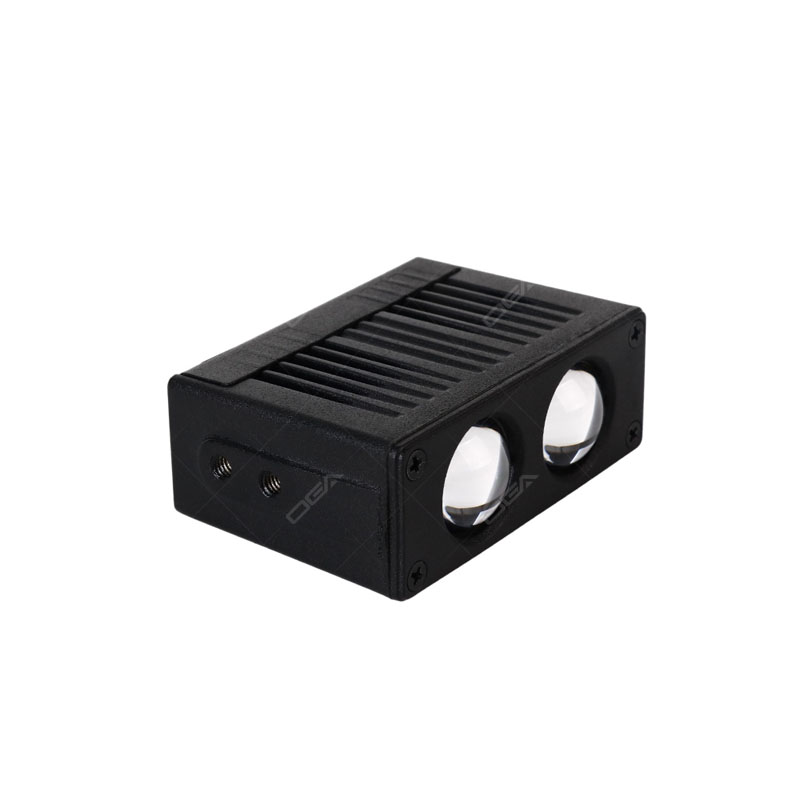
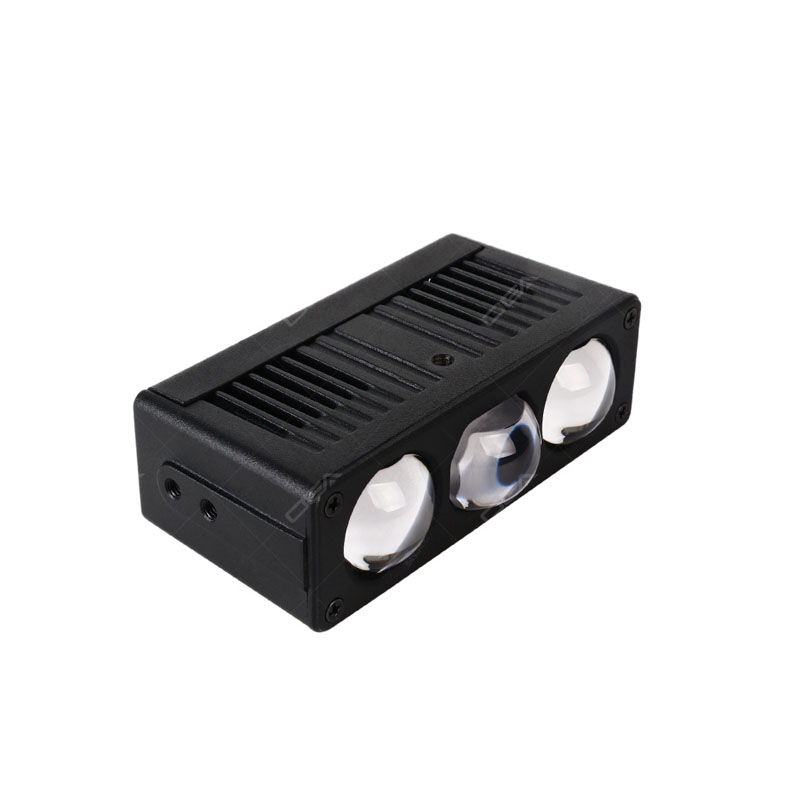
TIR optics are commonly used in compact lamps because they combine optical control functions into a single transparent component. This can reduce the need for a large reflector bowl and help create slimmer, cleaner product designs. For automotive auxiliary lights, this is particularly helpful where installation space is limited or where a modern low-profile look is preferred.
4) Cleaner Front Appearance
Many TIR-based lamps have a more modern visual identity. Instead of the traditional deep reflector look, they often feature a cleaner front surface and more distinctive optical structure. This can be a strong selling point for aftermarket products where styling matters as much as function.
5. TIR Lens vs. Reflector: What Is the Difference?
A traditional reflector system mainly relies on a metallized reflective surface to redirect light. This is a proven and widely used solution, but it may not control all emitted light as efficiently, especially in very compact designs.
A TIR lens, by contrast, uses a transparent optical body that combines refraction and internal reflection. This often allows for:
That said, reflector systems are still useful and common in many automotive lights. The right choice depends on beam targets, product size, cost goals, and overall design direction.
6. Common Applications of TIR Lenses in Automotive Lighting
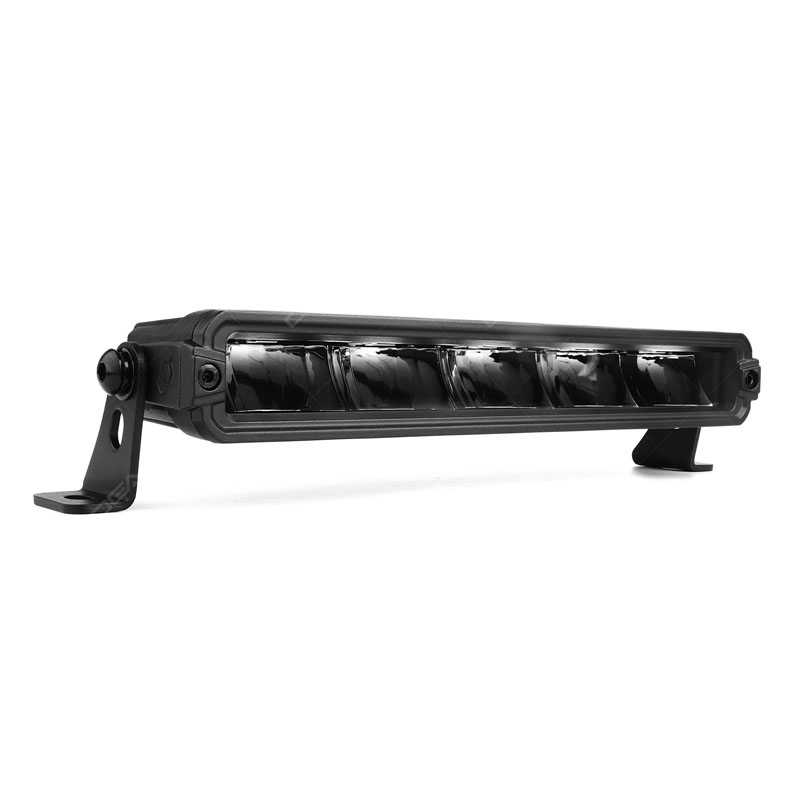
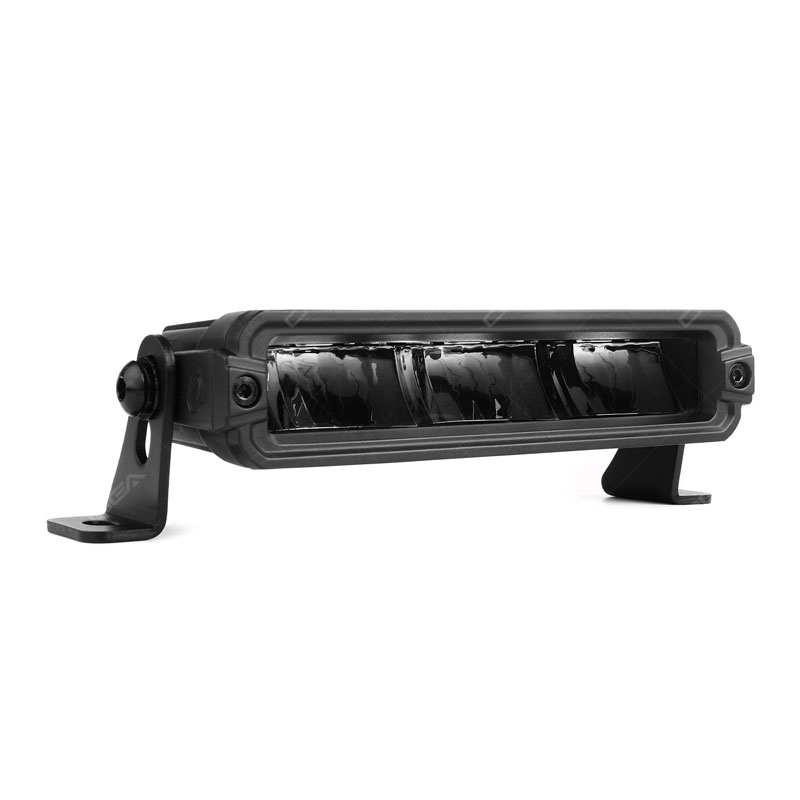
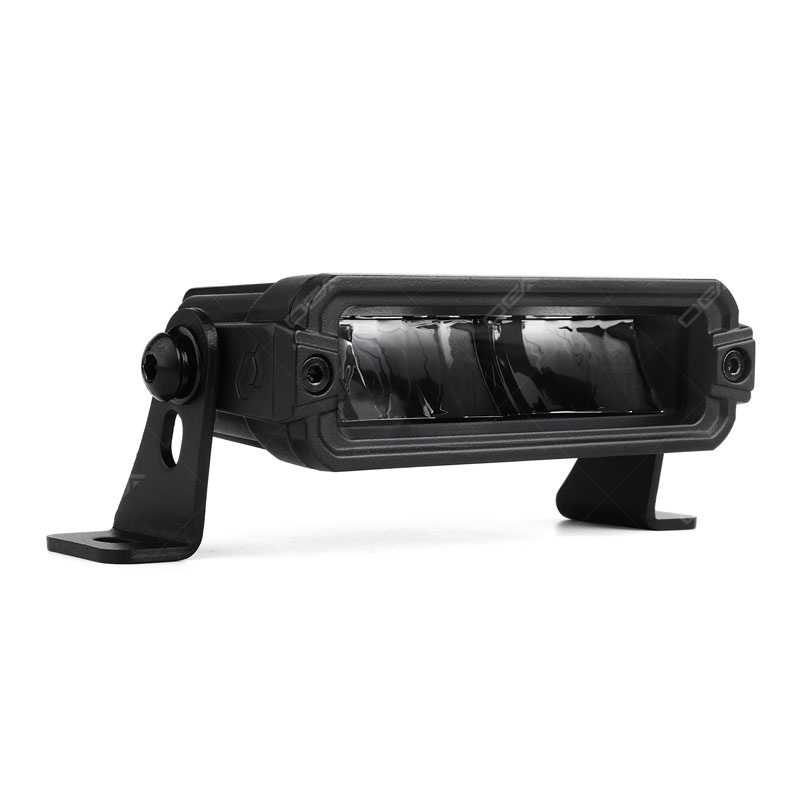
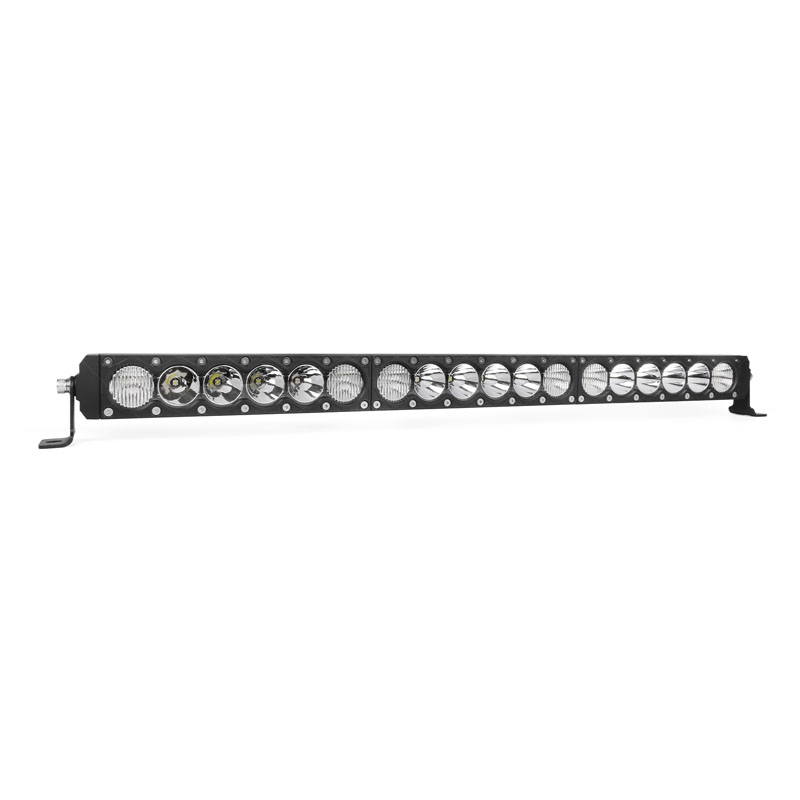
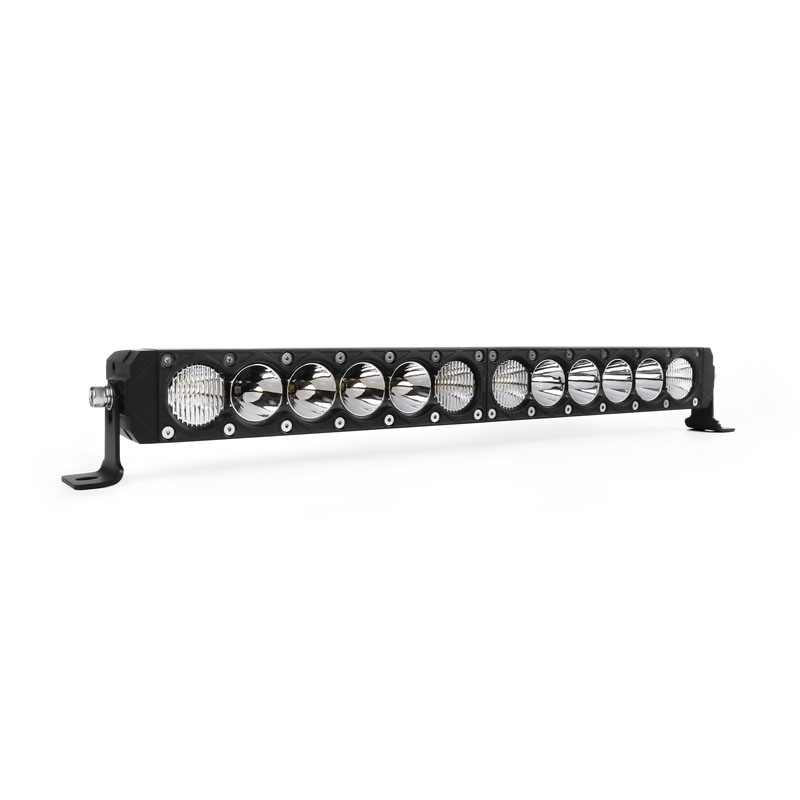
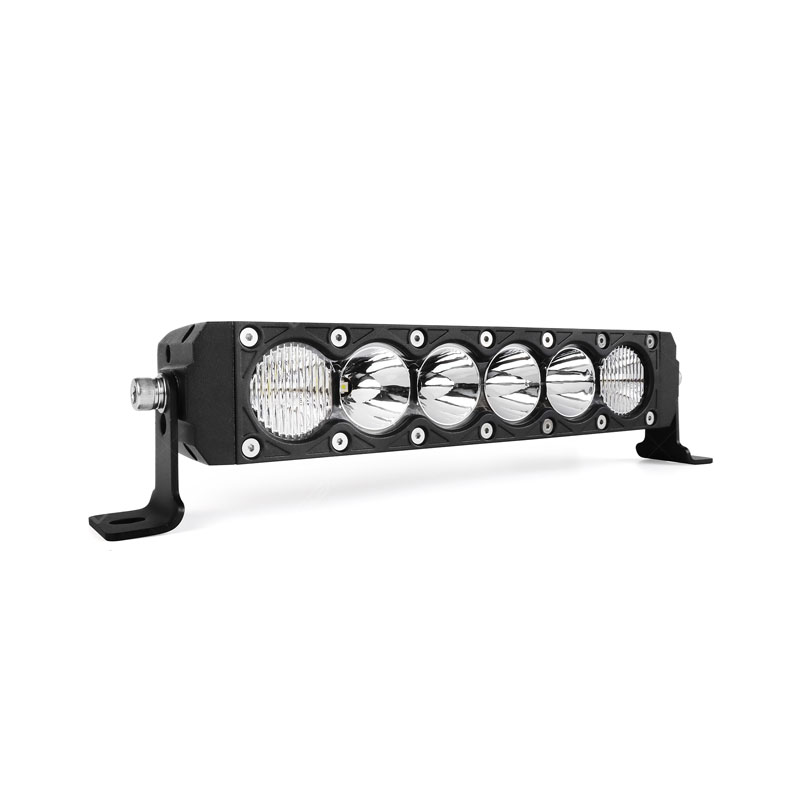
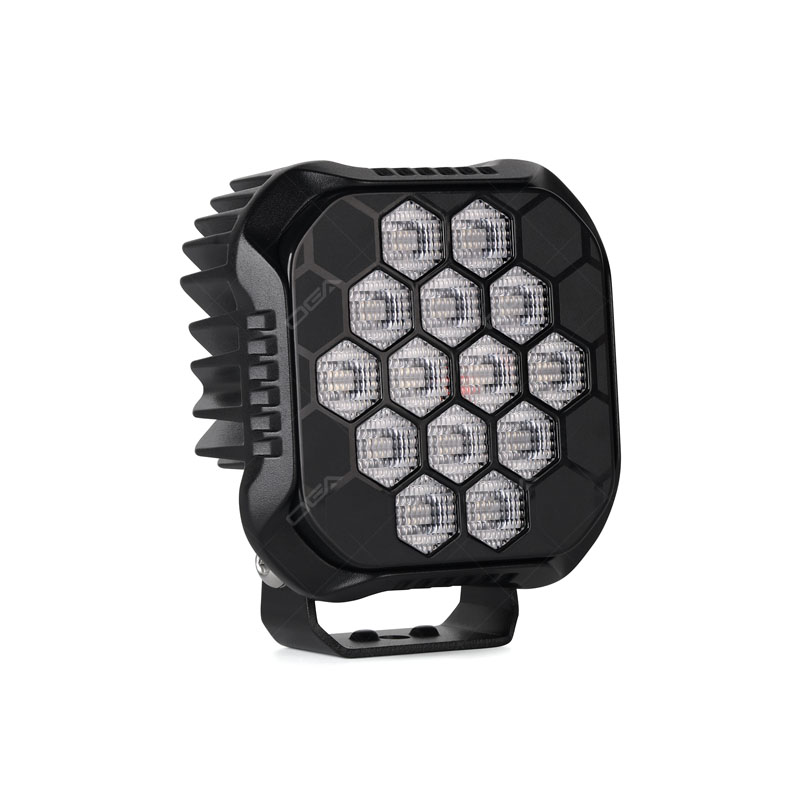
TIR lenses are often found in products such as:
They are especially common in applications where beam precision, compact structure, and modern styling are important.
7. What Should Buyers Pay Attention to in a TIR-Based Lamp?
Not all TIR optics perform equally well. The quality of the final beam depends on more than just using a TIR lens. Buyers and distributors should also pay attention to:
-
LED chip positioning accuracy
-
Lens material quality
-
Heat resistance of the optical component
-
Overall optical design matching
-
Beam pattern consistency
-
Housing durability and sealing performance
A well-designed TIR lamp can deliver excellent practical performance, but poor design or poor manufacturing control can reduce its optical advantages.
8. Why TIR Lenses Matter for Automotive Lighting Development?
As automotive LED lighting continues to evolve, customers increasingly expect lighting products to provide both strong performance and refined design. TIR optics support this trend by allowing manufacturers to create lamps that are compact, efficient, visually modern, and functionally effective.
For distributors, installers, and vehicle builders, products using TIR lenses can offer a strong balance of appearance, beam control, and real-world usability. For manufacturers, they open more possibilities in optical engineering and product differentiation.
9. Key Takeaway
A TIR lens is an advanced optical component that uses refraction and total internal reflection to collect and shape LED light. In automotive lighting, it is valued for its compact structure, high optical efficiency, and strong beam control capability. Rather than simply making a lamp look brighter, a TIR lens helps make the light more usable. That is why it has become an increasingly important optical solution in modern automotive auxiliary lighting, work lights, and other LED-based vehicle lighting products.









 2026-06-12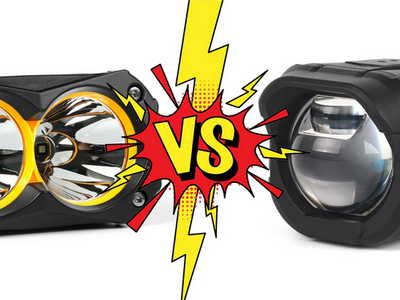




 info@ogaled.com
  0086 135-6015-6476
  Room 505, 5th Floor, Jiangyun Building, No. 5 Heguang 2nd Cross Road, Tianhe District, Guangzhou