A good modification should make a vehicle more capable, safer, or easier to use. However, many popular 4WD trends fail to achieve any of these goals. Whether they come from poor advice, online influence, or the belief that a tougher appearance automatically means better performance, the result is often the same: a vehicle fitted with parts that add little real benefit.
Stinger Bars: Aggressive but Impractical
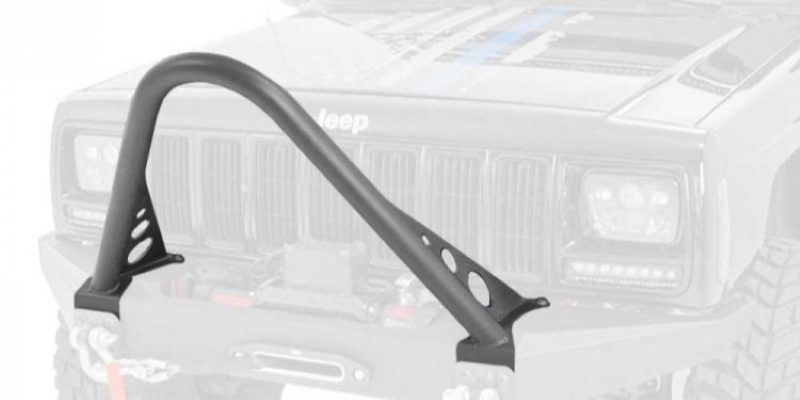
One of the clearest examples is the stinger bar. These are more commonly seen on heavily modified off-road builds, often mounted on the front of Jeeps. In theory, they are associated with competition vehicles or extreme off-road builds that are not road registered. For vehicles built for that kind of use, they may have a purpose. For an ordinary road-registered four-wheel drive, however, they serve little practical value.
They can negatively affect the approach angle, add extra weight to the front of the bullbar, and potentially behave unpredictably in a crash. In many markets, they may also fall outside road compliance requirements, which is one reason they are not commonly seen on street-driven vehicles. For most drivers, a properly designed bullbar is a far more sensible and functional choice.
Simulated Beadlocks: Cosmetic Without Real Benefit
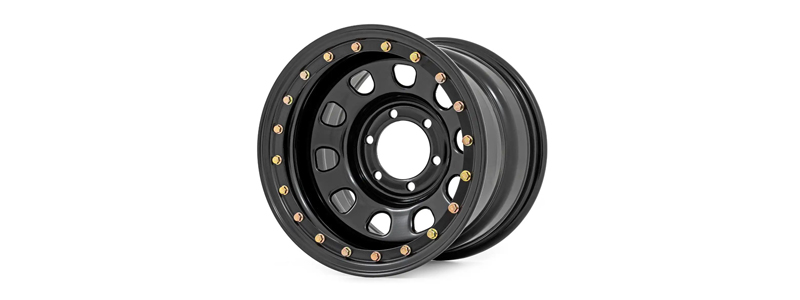
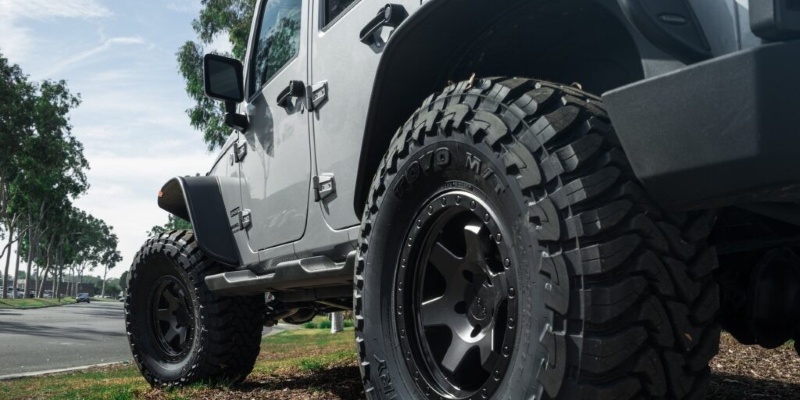
Another questionable modification is the simulated beadlock. A real bead lock physically secures the tire to the rim, allowing the driver to run very low tire pressures in demanding off-road situations such as beach driving or serious rock crawling. That kind of setup belongs in competition environments, and in many markets, it is not considered road legal.
Fake bead locks, by contrast, are purely cosmetic. They may imitate the appearance of the real thing, but they provide none of the actual benefits. They are also inconvenient to maintain. The bolts are difficult to clean, they often rust over time, and overall they create more hassle than value. For touring or general off-road use, a high-quality set of steel wheels or alloy wheels paired with strong, reliable tires is a much better investment. Steel wheels, in particular, have the practical advantage of being easier to repair if damaged on the track.
High-Lift Jacks: Useful Only with the Right Setup
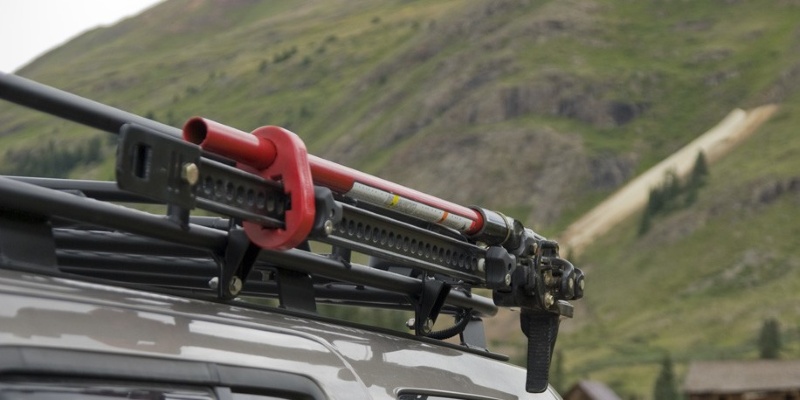
High-lift jacks are another item that often looks more useful than it actually is in the hands of the average owner. In the right situation, and when used with proper recovery points, a high-lift jack can be an effective recovery tool. The problem is that many people carry one without having the correct mounting or lifting points on their bullbar or side steps. In those cases, the jack is not only ineffective but also dangerous.
Many vehicles carry high-lift jacks on the roof as if they are part of a serious recovery setup, yet the vehicle itself is not equipped to use them safely. This creates only the appearance of preparation, not actual readiness. For many drivers, a bottle jack is a more practical and safer choice for lifting the vehicle, while recovery boards or a winch are better solutions for off-road recovery.
Twin Snorkels: More Show Than Substance
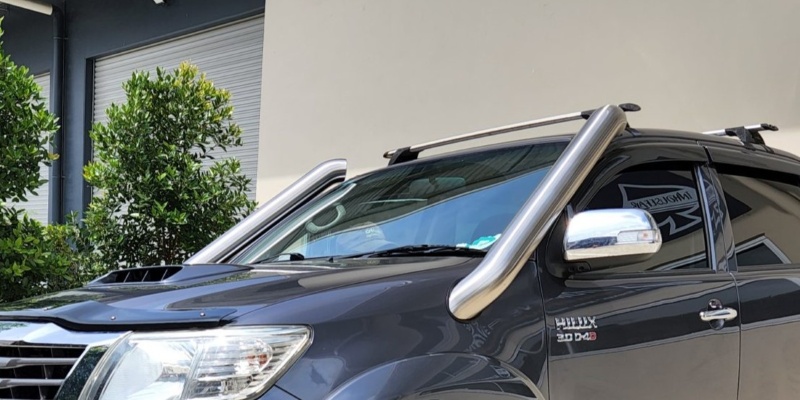
Twin snorkels are another modification that often falls into the category of style over function. A snorkel has a clear purpose: it helps deliver cleaner, cooler air to the engine and is useful for deep water crossings. A single properly sealed snorkel connected to the airbox can be a worthwhile modification.
The issue comes when a second snorkel is added purely for appearance, without being connected to anything. Unless the vehicle has a custom engine setup with twin airboxes and both snorkels actively feeding the engine, the extra snorkel does nothing. It simply adds weight, complexity, and unnecessary visual clutter. Worse still, if it is not properly capped or sealed, it may allow dust, water, or unwanted debris into places where it should not be.
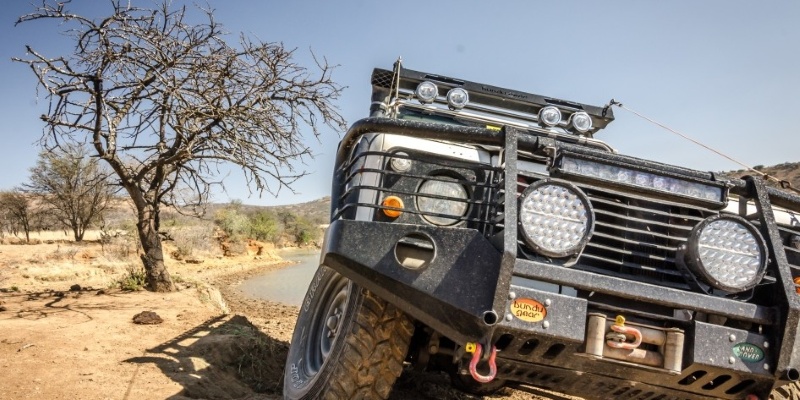
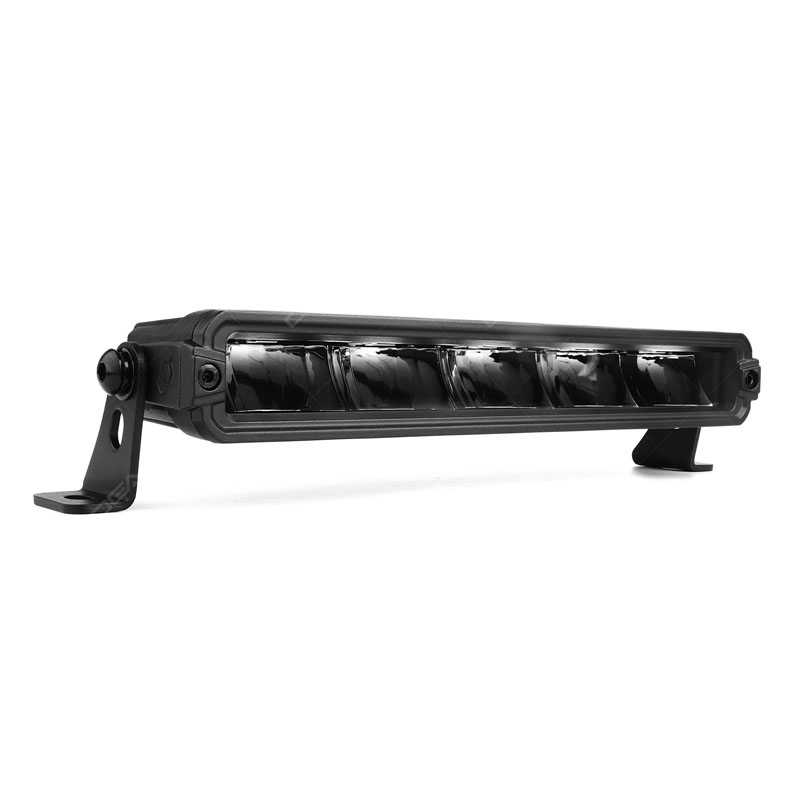
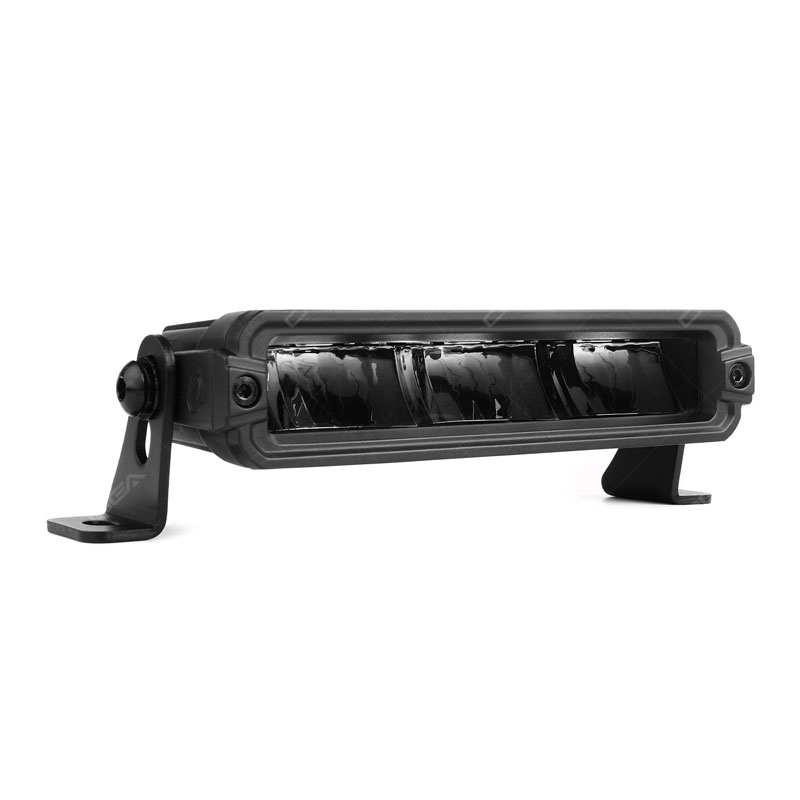
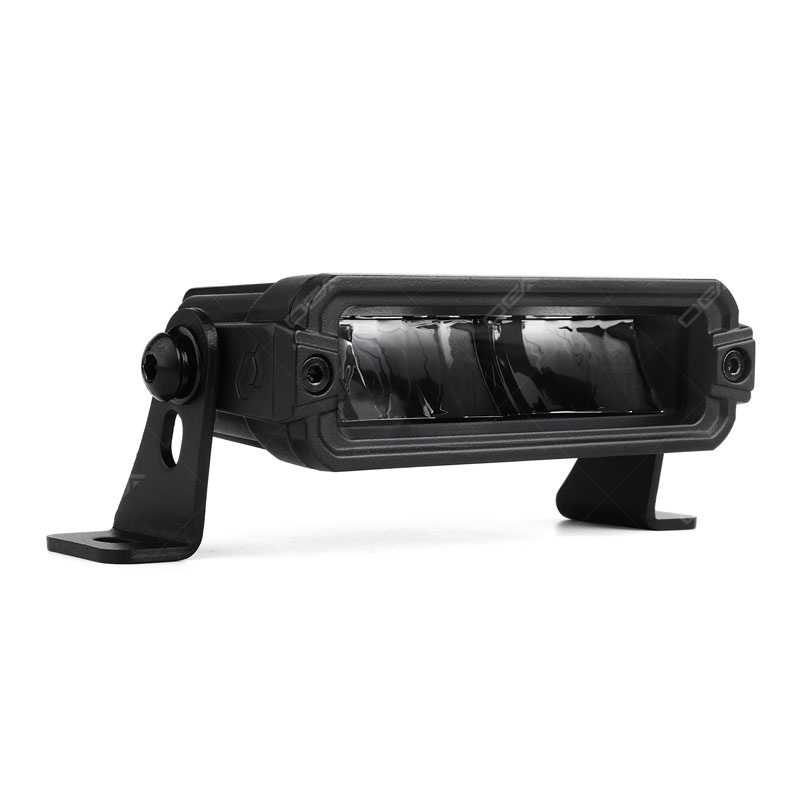
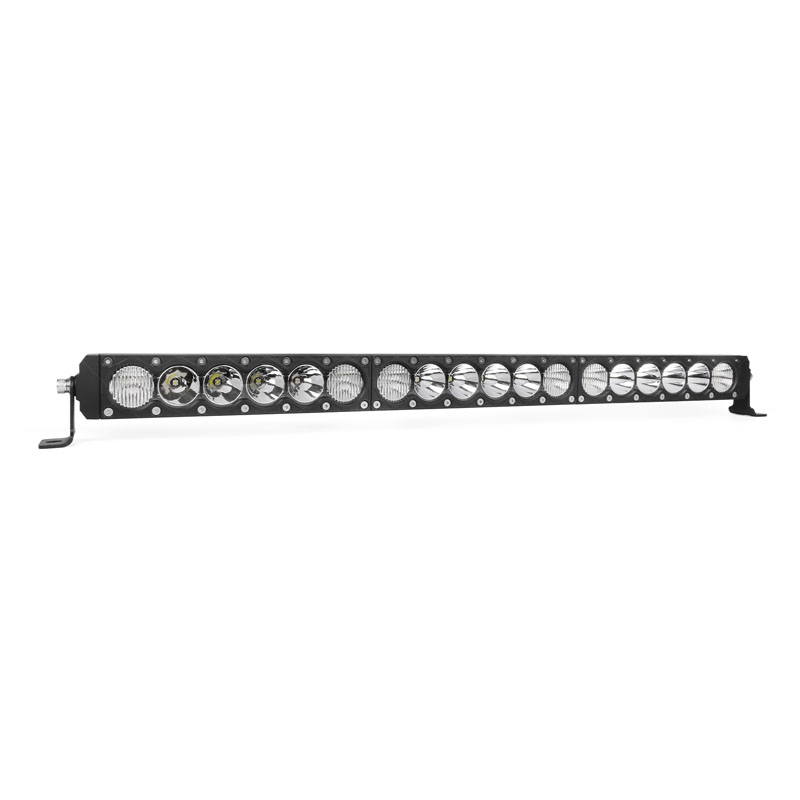
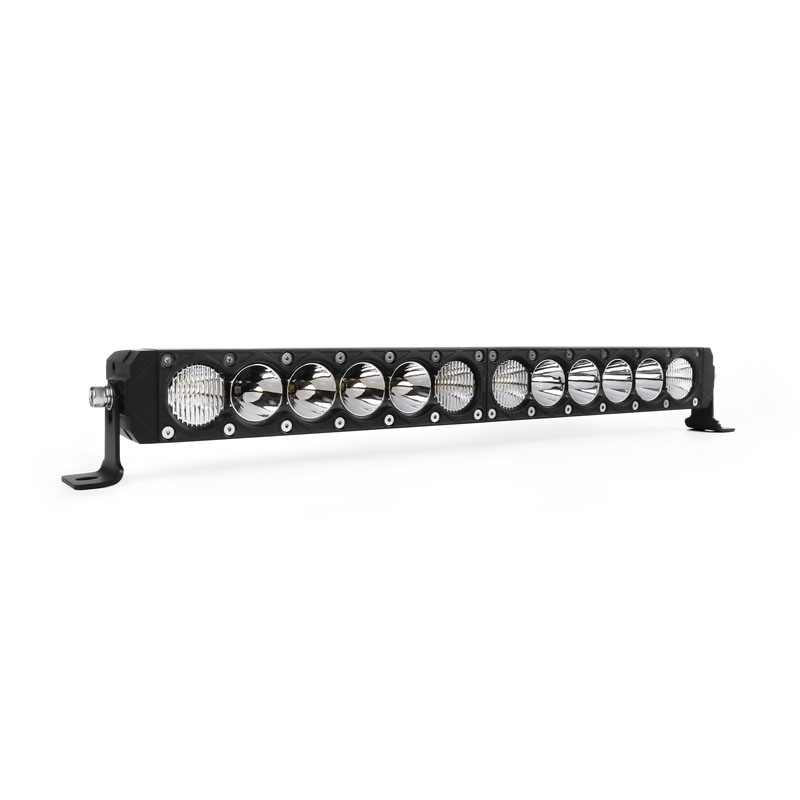
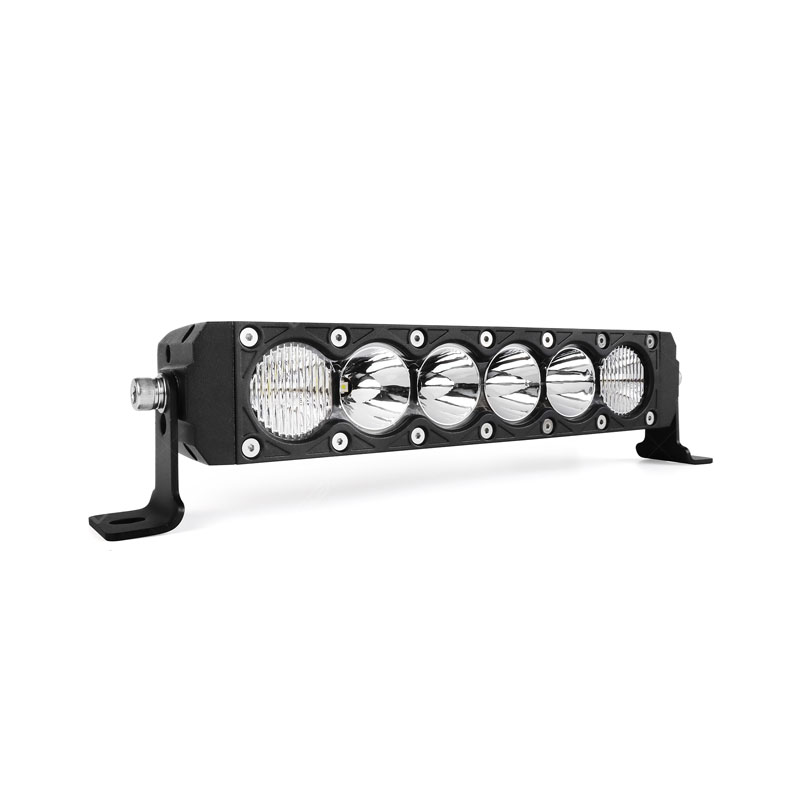
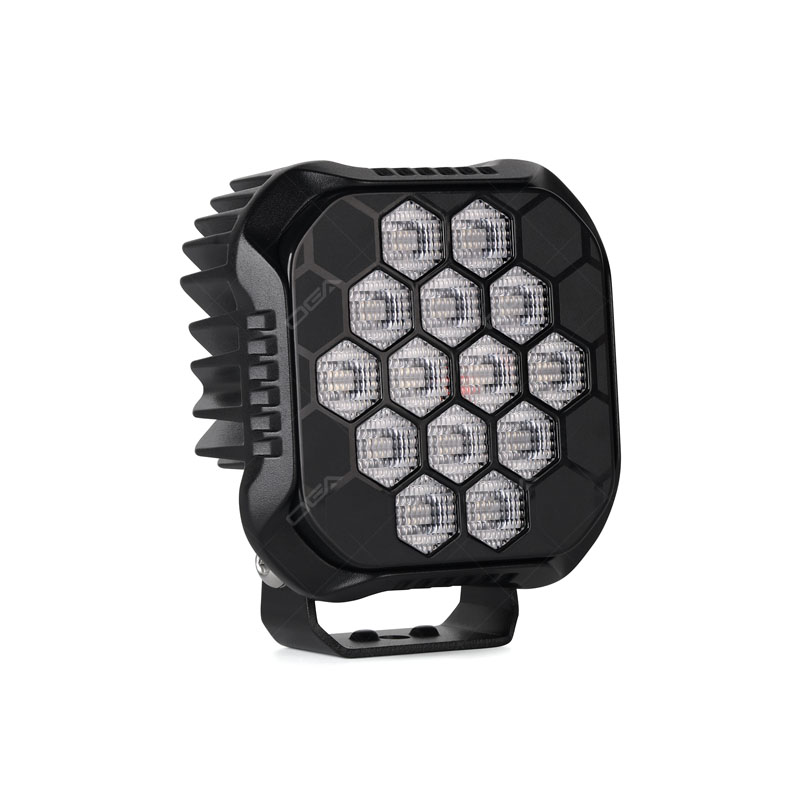
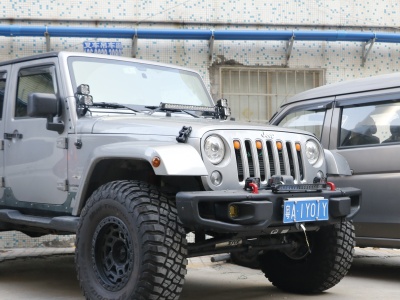
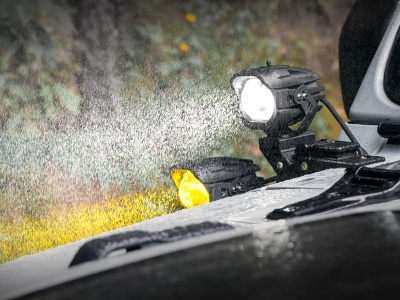
Lighting is another area where excess often replaces common sense. A pair of spotlights and a light bar can be useful. However, some vehicles end up fitted with multiple spotlights, a grille-mounted light bar, a roof-mounted light bar, extra lights on the rooftop tent, and additional side-facing lighting as well. At that point, the setup is no longer practical; it is excessive.
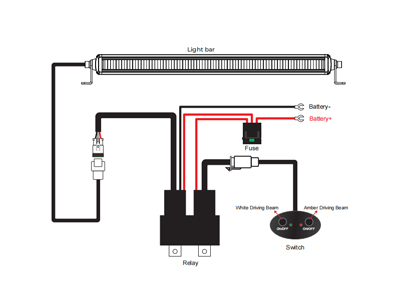
Too many auxiliary lights create unnecessary power draw, especially if they are not wired through an appropriate dedicated system. Roof-mounted lights can also cause bonnet glare at night, particularly on vehicles with lighter-colored bonnets. In many cases, a properly adjusted set of spotlights combined with a suitable light bar is more than enough. Beyond that, the added lighting often contributes little to visibility while increasing cost, complexity, and glare.
Oversized Tires Without Proper Preparation
Oversized tires are another common mistake, especially among newer 4WD owners. Large tires may improve the appearance of the vehicle, but without the right supporting modifications, they often create more problems than advantages. Rubbing is one of the most common issues, especially at full lock or when the suspension compresses off-road. Owners may end up trimming mud guards, cutting parts of the bullbar, or modifying other components simply to make the tires fit.
Many people assume that larger tires automatically mean better clearance, but this is not always true. Without suitable suspension and proper setup, the practical benefits may be limited. A better approach is to build the vehicle in the correct order: upgrade the suspension first, then fit larger tires once the vehicle is properly prepared to handle them.
Angry Headlight Covers: Style That Reduces Visibility
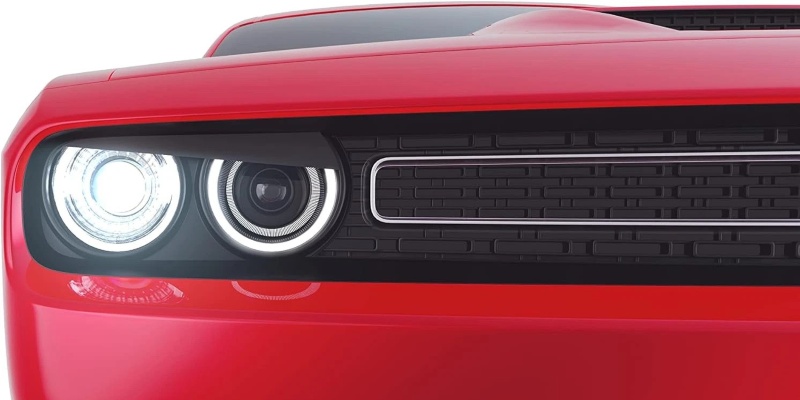
Angry headlight covers are another example of a trend that makes little functional sense. Their purpose is purely aesthetic, yet they partially block the headlights and reduce light output. This means they actively interfere with a part of the vehicle that was designed for visibility and safety. In that sense, they are not just useless—they are counterproductive.
Removing Sway Bars: A Risky Trade-Off
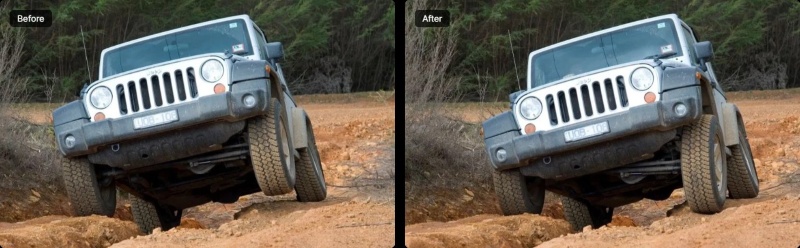
The same logic applies to removing sway bars. This is sometimes done in the name of off-road flex, but for a road-driven vehicle, sway bars exist for an important reason. They help keep the vehicle stable when cornering and maintain tire contact with the road. Removing them can significantly worsen handling, especially during sudden maneuvers or emergency turns.
There are better ways to improve suspension articulation without sacrificing safety. Disconnecting sway bars, properly tuned suspension, or other purpose-built solutions can achieve a balance between off-road capability and road manners. Simply removing the sway bars altogether is rarely the responsible solution for a vehicle that still sees regular road use.
Rear Ladders That Lead Nowhere
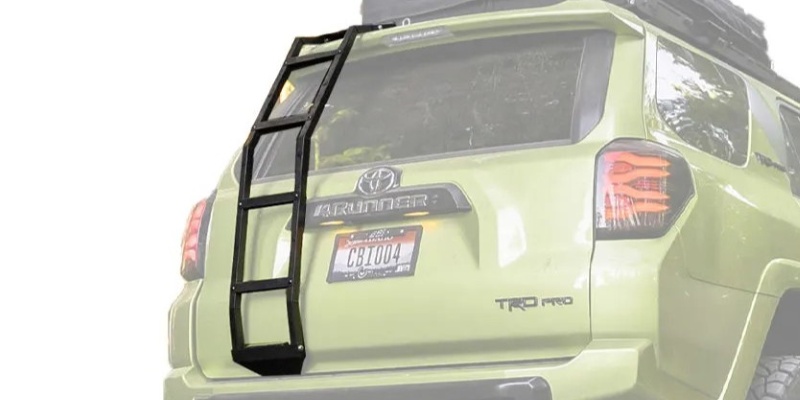
Another popular but questionable accessory is the rear ladder that leads nowhere. If the vehicle has a roof rack, rooftop tent, or awning, then a ladder can be useful. But on vehicles with no roof-mounted equipment to access, the ladder serves no practical purpose at all. It becomes little more than a visual accessory.
This trend has grown in popularity on social media, but its function remains difficult to justify. Without a real purpose, it is simply extra weight and extra hardware added for appearance alone.
Why Practical Mods Always Make More Sense
Ultimately, a four-wheel drive should be built around real needs, not appearance. Mistakes are common, especially with a first build, and most owners eventually realize that some modifications were unnecessary. The most effective approach is to focus on function first. The right equipment will usually look appropriate in the end because it serves a genuine purpose.
In the case of 4WD modifications, form should follow function. A vehicle fitted with practical, well-chosen upgrades will always make more sense than one covered in accessories that add little value. Instead of chasing trends, it is better to choose modifications that improve performance, safety, and reliability where they matter most.









 2026-06-12

 info@ogaled.com
  0086 135-6015-6476
  Room 505, 5th Floor, Jiangyun Building, No. 5 Heguang 2nd Cross Road, Tianhe District, Guangzhou