When riders search for motorcycle LED lights, they often focus on one thing first: brightness. But brightness alone does not decide whether a light is actually good on the road. In real riding conditions, usable motorcycle lighting depends on beam control, road coverage, glare management, aiming, and how well the light fits different riding scenarios. That is why many rider guides and lighting FAQs keep coming back to the same issues: beam pattern, auxiliary light placement, glare, legality, and whether extra lights improve both visibility and conspicuity.
Are Brighter Motorcycle LED Lights Always Better?
Not necessarily. A brighter light can help, but only if the output is shaped and directed correctly. A poorly controlled light may look powerful in specifications, yet still waste output, create hot spots, or produce glare that makes road use less comfortable and less effective. On motorcycles, riders benefit most from lighting that helps them see farther, read the road surface more clearly, and become more noticeable to other road users. Auxiliary lights can help with all of that, but the real gain comes from useful light placement rather than raw brightness alone.
What Matters More: Lumens or Beam Pattern?
For real-world riding, beam pattern often matters more than the lumen number by itself. Riders generally need some combination of distance, width, and control. That is why lighting brands and motorcycle guides often discuss spot, flood, or hybrid beam patterns instead of only quoting output. A spot pattern is typically used for longer reach, a flood pattern for broader spread, and a hybrid setup for balancing both. In other words, the most useful light is not always the one with the biggest number. It is the one that puts light where the rider actually needs it.
Why Do High Beam and Low Beam Matter So Much?
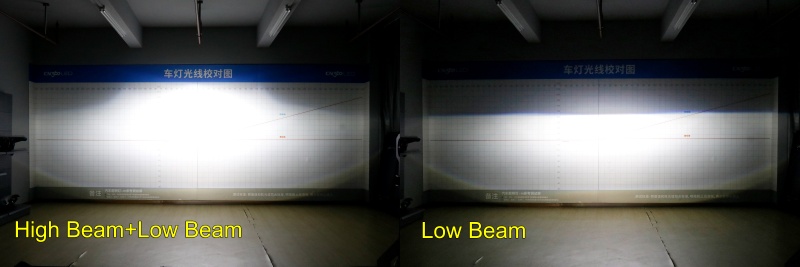
This is one of the most important questions in motorcycle lighting. Low beam and high beam exist because riders need two different lighting behaviors. NHTSA notes that vehicles use two beam patterns, low and high beam, and explains that high beam is designed to produce higher light levels in upper regions for forward visibility, but that same pattern can create unacceptable glare for oncoming traffic, which is why high beam is generally not used when other vehicles are present. That is also why low beam remains the everyday, controlled beam for most road situations. For riders, this means a good lighting setup is not just about adding more light. It is about having the right beam for the right moment.
Why Are Cutoff and Anti-Glare So Important?
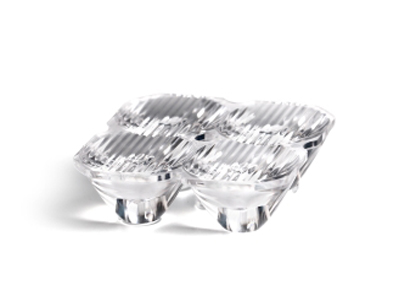
Because a useful light should help the rider without punishing everyone else on the road. Better lighting design is increasingly about gaining more forward visibility without increasing glare. NHTSA describes adaptive driving beam technology in exactly those terms: more illumination while not glaring other vehicles. Even in non-adaptive products, the same logic still applies. A controlled beam with a clear cutoff helps keep more light in the useful zone and reduces stray light that can dazzle oncoming traffic. That is why serious riders and lighting engineers care so much about optics, aiming, and glare control instead of judging a lamp by brightness alone.
Where Should Motorcycle Auxiliary Lights Be Mounted and Aimed?
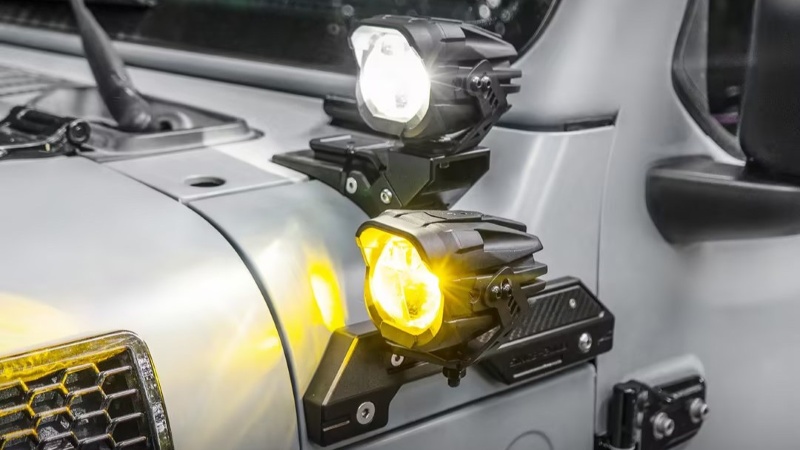
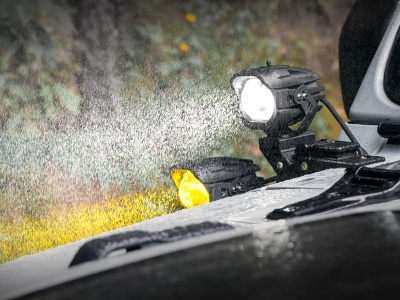
Mounting and aiming change how a light performs more than many riders expect. RevZilla notes that auxiliary lights can be mounted lower on the frame or fork area for a discreet setup, while higher-mounted lights on adventure bikes can make rough terrain easier to read because of how shadows are cast. Denali also notes that fog-style lights are generally mounted low and wide, and that motorcycle lights should be adjusted with the bike upright and properly aimed vertically and horizontally. In practical terms, even a good light can perform poorly if it is mounted in the wrong place or aimed badly.
Are All Motorcycle Auxiliary Lights Street Legal?
No. That depends on the market, the intended use, and whether the product meets the relevant standards. Denali notes that some auxiliary lights are legal for road use because they carry certifications such as DOT or ECE, and that DOT-compliant lights must meet FMVSS No. 108 requirements. So when riders ask whether a motorcycle LED light is road legal, the answer is not simply about whether it is LED or bright. It is about compliance, beam pattern, and how the product is approved for use.
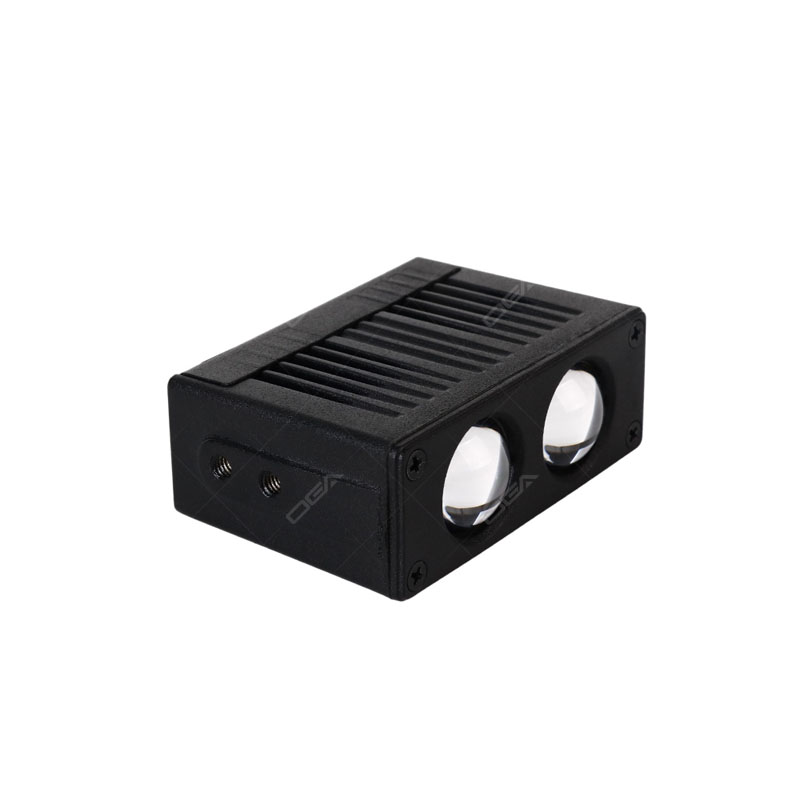
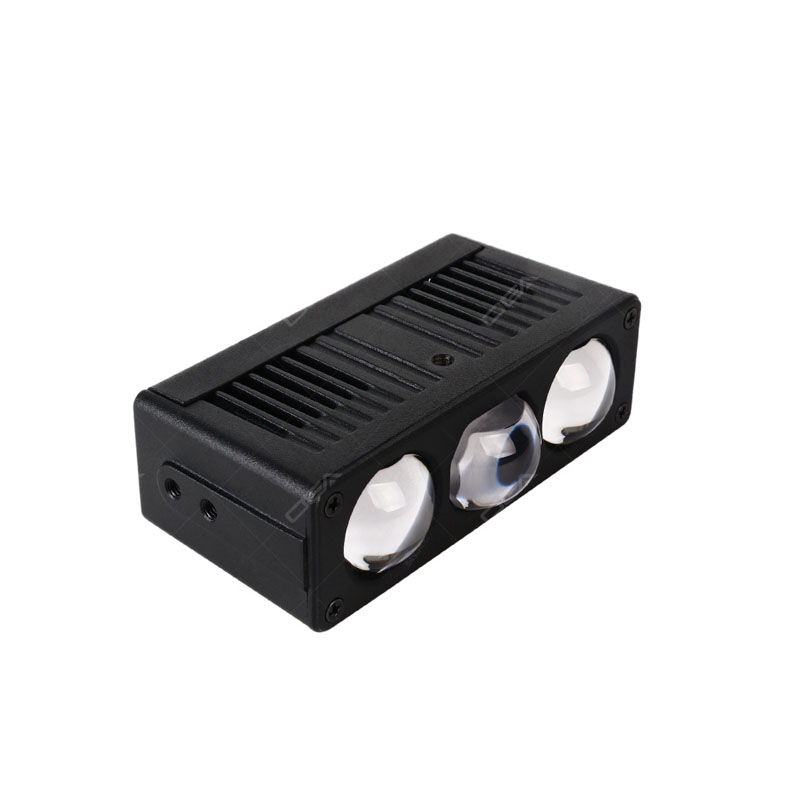
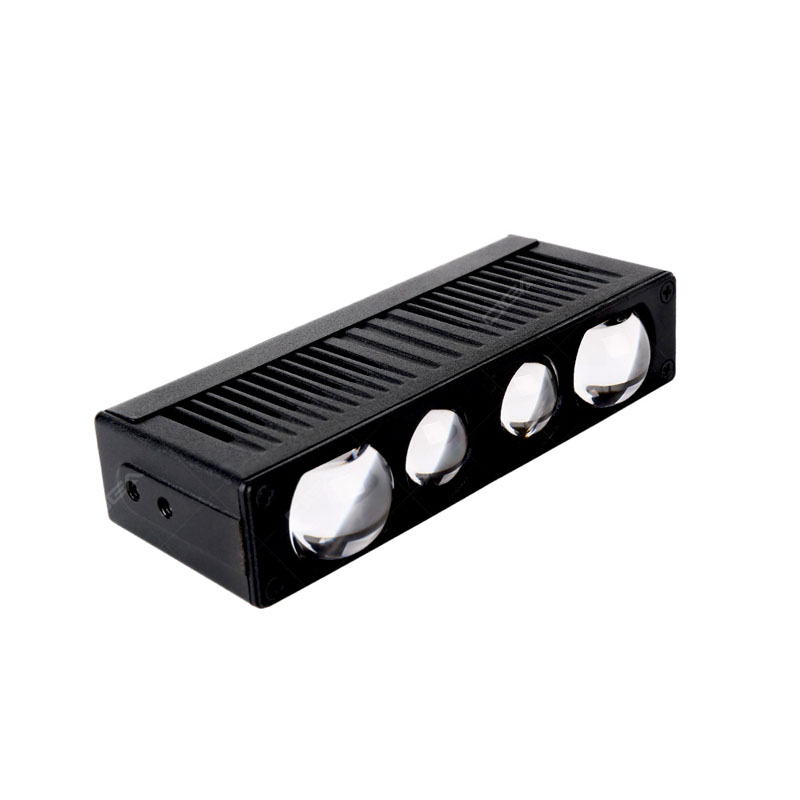
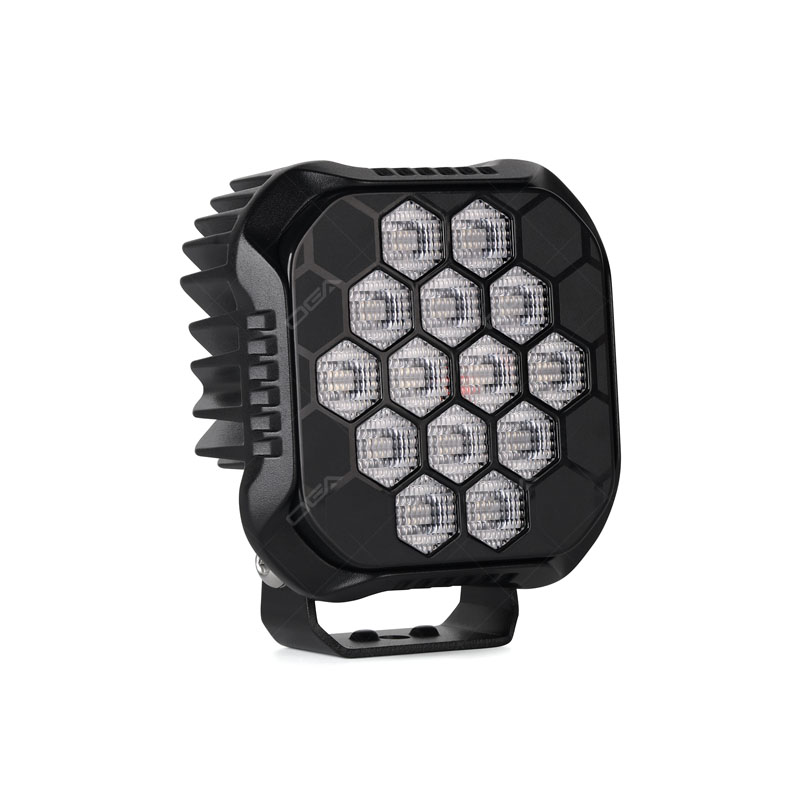
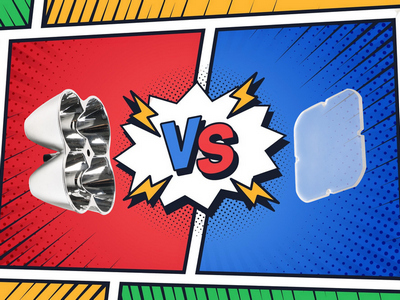
This is where the MT32 Series becomes interesting. Many motorcycle auxiliary lights focus on adding extra output, but MT32 stands out because it brings a dual-beam projector concept into this category. Instead of acting like a simple fixed-output add-on lamp, it is built as a motorcycle projector light with hi and low beam functionality, along with a clear cutoff line, anti-glare performance, and ultra-wide illumination. That combination gives it more educational value in the product discussion too: it represents the idea that motorcycle auxiliary lighting is moving beyond “just brighter” and toward more controlled, more adaptable, and more road-usable light.
Final Thoughts
A good motorcycle LED light is not defined by brightness alone. Riders should pay closer attention to beam pattern, high and low beam function, glare control, mounting position, aiming, and legal compliance. Those are the factors that decide whether a light feels useful on the road instead of merely impressive on paper. And that is also why products that combine projector optics with dual-beam functionality feel more meaningful today: they answer the real questions riders have been asking for years.








 2026-06-12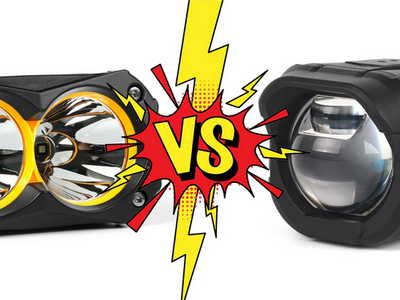
 info@ogaled.com
  0086 135-6015-6476
  Room 505, 5th Floor, Jiangyun Building, No. 5 Heguang 2nd Cross Road, Tianhe District, Guangzhou